
Centre for Human Movement and Rehabilitation

Co-developing world-class human movement and rehabilitation research and education that addresses real-world challenges faced by our communities.
Research within the Centre for Human Movement and Rehabilitation addresses a series of important global health challenges that limit mobility, are associated with pain, and can prevent people from living independently.
The work encompasses rheumatic and musculoskeletal diseases, long-term conditions, such as limb loss, diabetes and stroke, along with health states associated with ageing, such as frailty. The centre also has a strong focus on sport and exercise, encompassing research related to strength and conditioning, sports biomechanics and sport injury.
Across the research centre, many research styles and disciplines are brought together. This ranges from engineering and computational modelling through to health behaviour, social sciences and qualitative research. Our research themes include:
Clinical rehabilitation
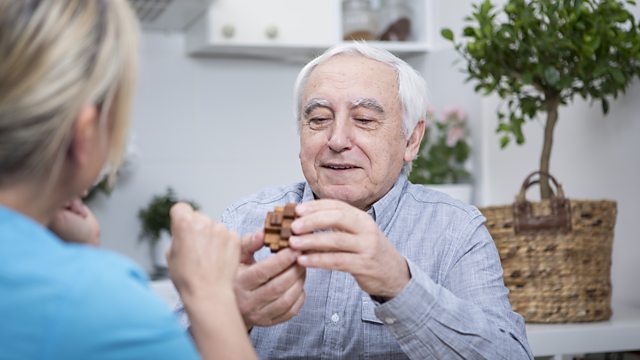
The aim of this area of research is to deliver research which can improve quality of life for people with long-term conditions, including musculoskeletal disorders and rheumatological disease, diabetes and respiratory illness. Our research spans a broad remit, from the exploration of disease mechanisms and development of measurement tools through to the development of new interventions and evaluation of clinical and cost-effectiveness of NHS treatments.
Sport and exercise
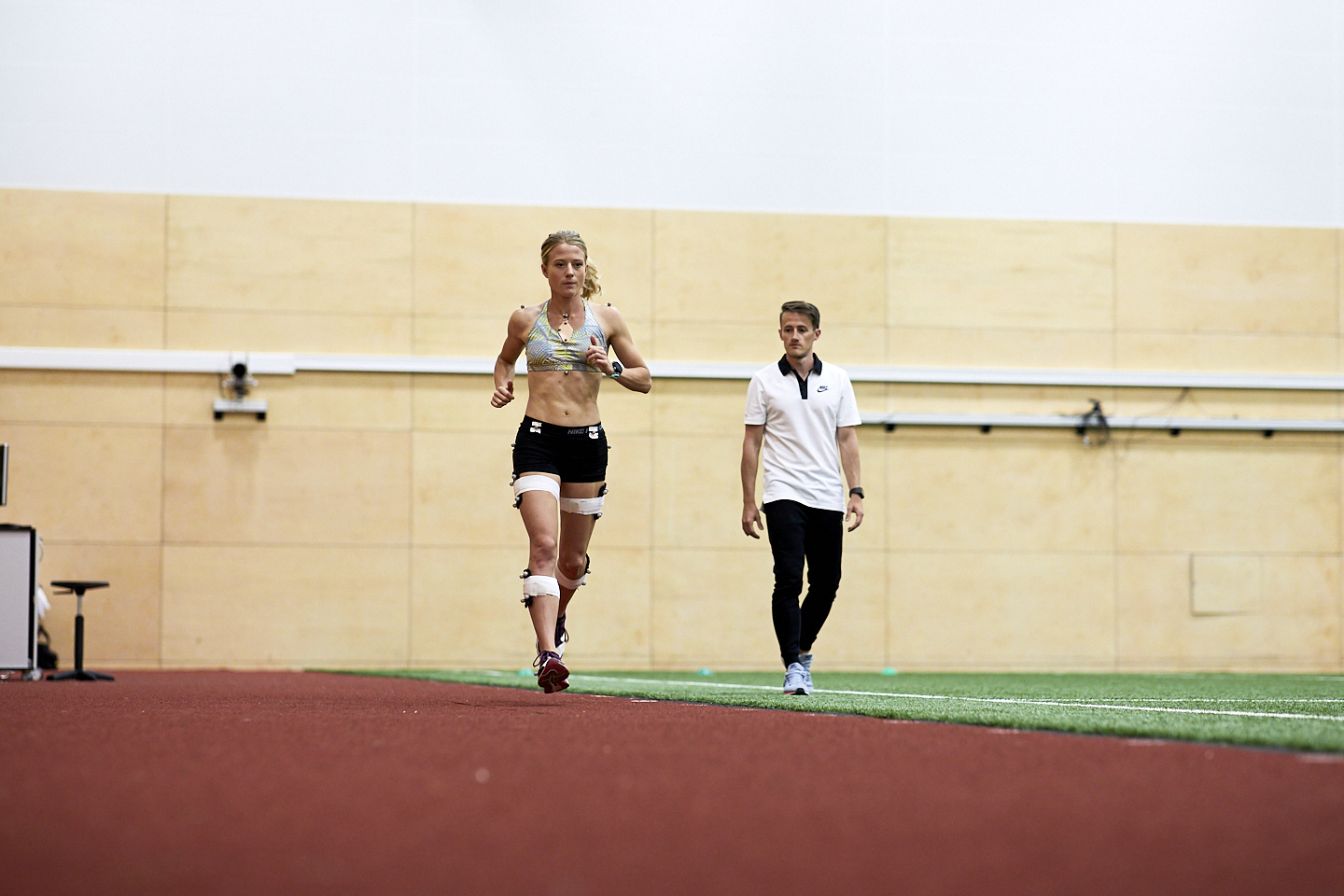
The sport and exercise area of research is multidisciplinary and focusses primarily on two key areas, athlete health and performance, and population health.
Knee biomechanics and injury
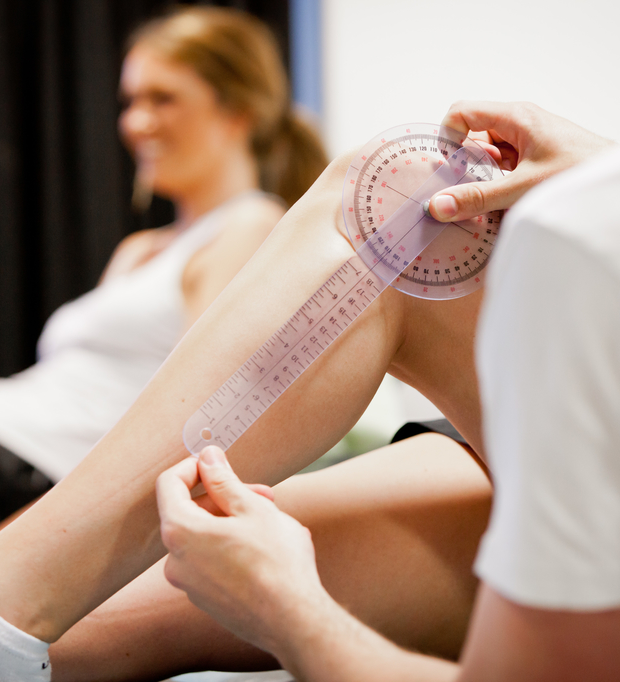
This area of research seeks to understand the integrated functioning of the knee joint in health and disease. Our research focuses on the study of movement, muscle control, mechanical loading and on mechanisms which underlie knee injuries and subsequent pain. We use this knowledge to understand disease mechanisms and processes, suboptimal mechanical loading and to create and evaluate interventions developed to help people recover from injury and reduce knee pain.
Prosthetics and orthotics
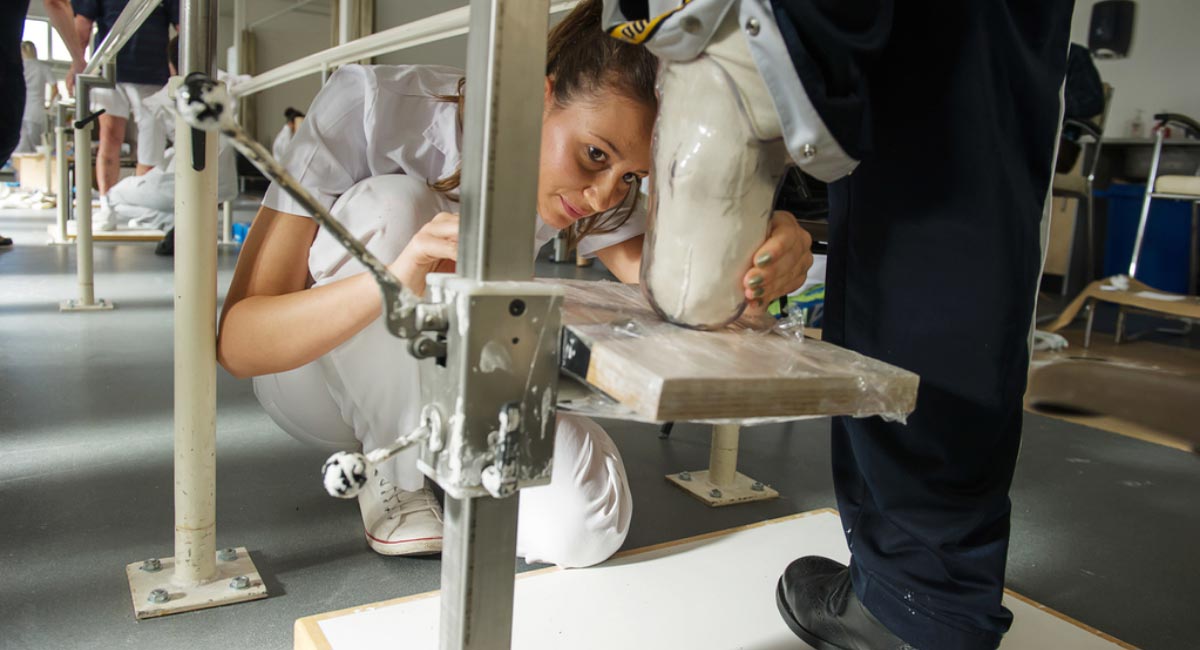
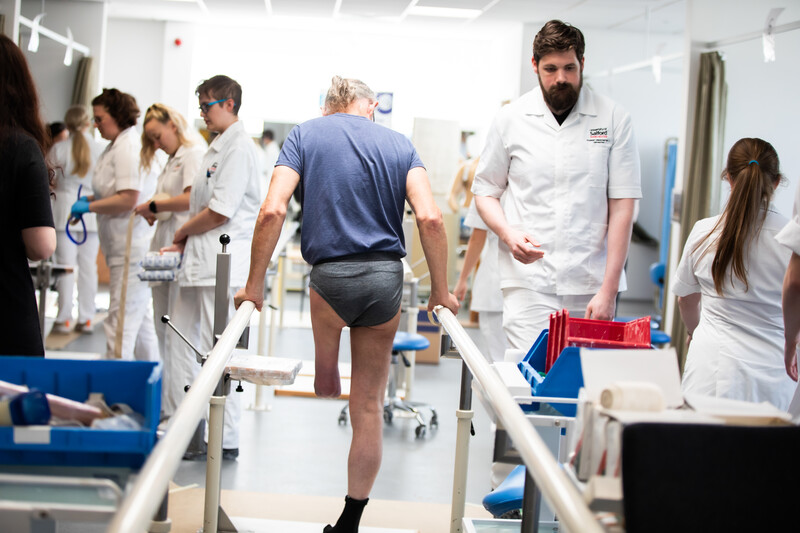
We lead and host the EPSRC-funded Centre for Doctoral Training (CDT) in Prosthetics and Orthotics, with Imperial, Strathclyde and Southampton as academic partners together with 27 external partners including the major P&O manufacturers. The CDT is recruiting 58 PhD students and provides wide-ranging multidisciplinary research, embedded in industry, user and stakeholders needs. Projects range in scope from policy-focused research, in collaboration with the WHO, to design of novel prosthetic devices.
Foot health and footwear
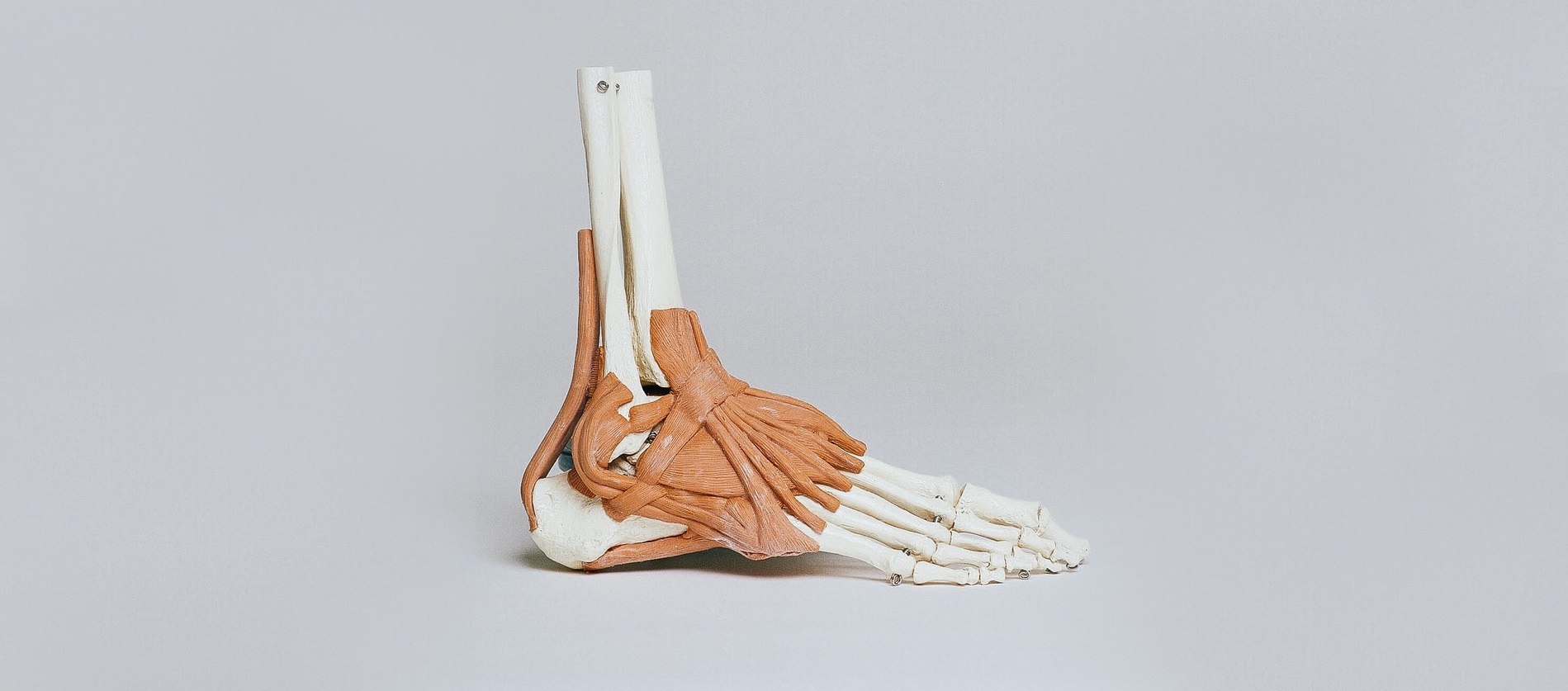
This research uses quantitative and qualitative approaches to measure and understand a wide range of themes relating to footwear and foot health. Quantitative approaches include investigating foot and lower limb biomechanics, footwear and orthotic design and skin physiology and mechanics. Qualitative approaches explore health interventions to support declines in foot health, health service delivery, education and training and changing professional practice.
Measurement of free-living physical behaviour
The measurement of free-living physical behaviour aims to facilitate the study and applications of objective measurement and quantification of free-living physical behaviour(s) using body-worn devices.
Rehabilitation Technologies and Biomedical Engineering
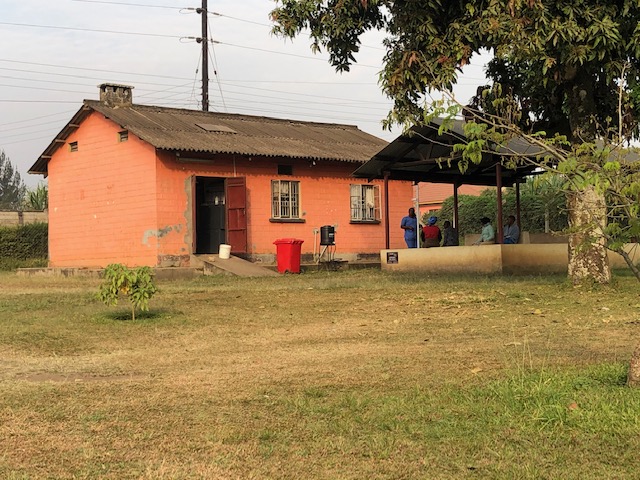
Rehabilitation Technologies and Biomedical Engineering is a cross-school area of research. We focus on the design and development of new rehabilitation technologies aimed at assisting functional movement, together with novel methods for their evaluation.


