
Part-time solicitor, part-time researcher supporting children affected by Foetal Alcohol Spectrum Disorder

Thanks to a scholarship from the University of Salford, Solicitor Uzma Naseem is pursuing a PhD in Foetal Alcohol Spectrum Disorder (FASD), after discovering a lack of research on the subject, following her adopted daughter’s diagnosis.
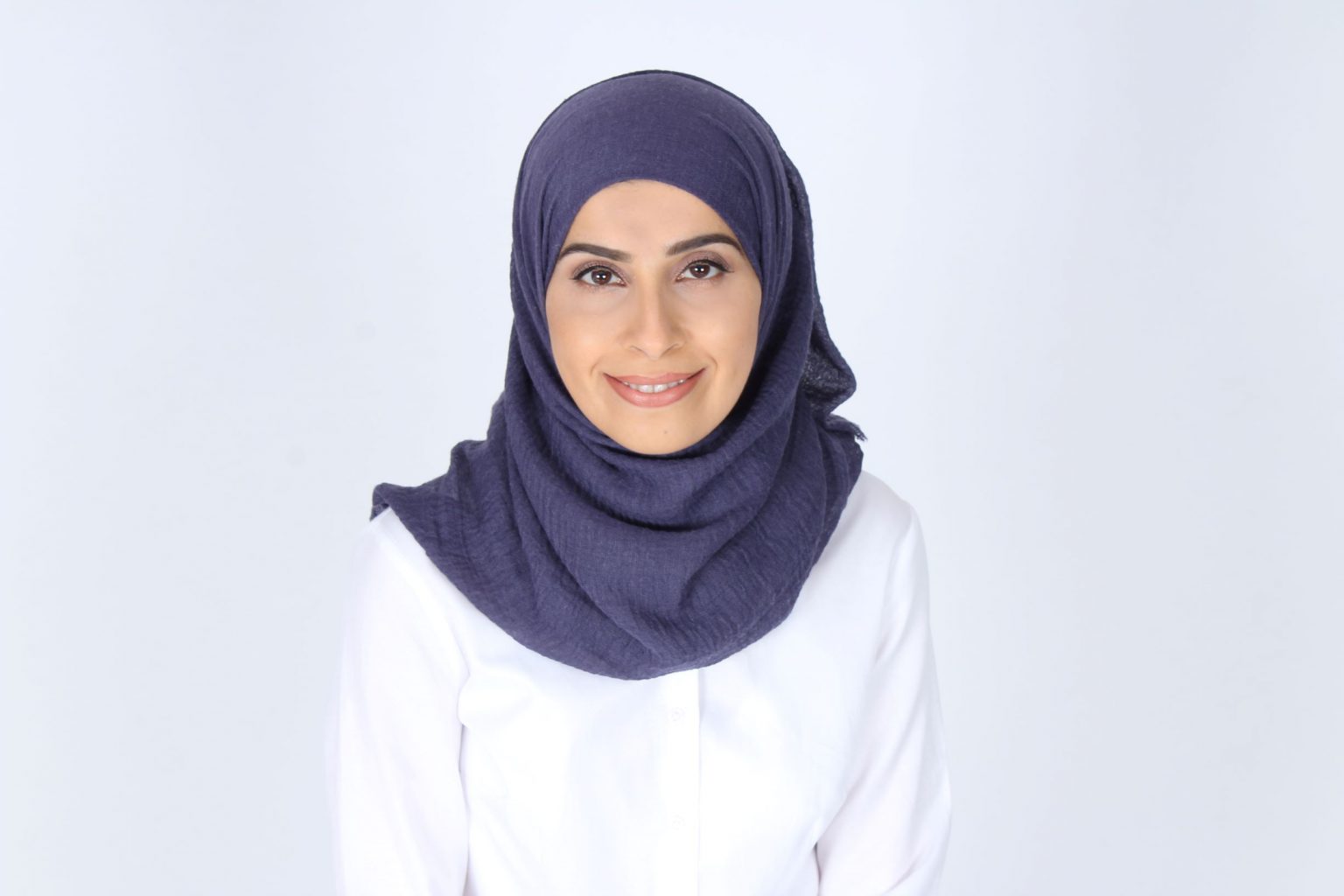
Uzma has worked as a Commercial Lawyer for over two and a half decades, always having had a passion for creating a more equitable world.
Her discovery of FASD came during her online research into the range of symptoms that her daughter was struggling with, particularly at school. She realised that many of the FASD stories she read online reflected that of what her daughter was experiencing, and she began to push for a diagnosis.
Uzma said: “The more I researched the topic, the more I realised how little awareness there is.
“There were so many other worried parents in Facebook groups, desperate for answers, wanting to help their struggling children, with nowhere to go for support.
“Despite us suspecting the condition in my daughter’s early teen years, it took until she was 18 to finally get a confirmed diagnosis and this is not uncommon. There are so many children and young people out there, who are struggling mentally for long periods of time before they can get the support that they need.”
Alongside organ and skeletal damage, growth problems and coordination difficulties, FASD brings a host of mental challenges. Children can have reduced learning and memory, meaning that they struggle to retain the information that they learn at school, and also may have challenges developing social skills leading to difficulties in getting along with others.
Uzma said: “It was just heartbreaking seeing how much my daughter was struggling,
“I knew that I needed to do something about it...
“...so I reached out to Professor Penny Cook at the University of Salford, an expert in FASD, and asked if there was any way that I could get involved.”
Penny informed Uzma of the opportunity to take part in a Postgraduate Research Widening Participation scholarship, which would allow her to make a positive difference without having to worry about her finances. These scholarships at thee University of Salford aim to ensure that people with different perspectives and views can contribute towards making the research field a more inclusive space.
Now three years into her PhD, Uzma is researching psychological vulnerabilities that effect young people with FASD, with the hopes to educate professionals who work with them. With Uzma’s first-hand experience witnessing the effects of FASD, she is able to offer a richer and more comprehensive understanding of the condition.
As well as throwing her all into the PhD, she is still concurrently working part-time as a solicitor.
She said: “Despite my role being mostly remote, with a few meet-ups throughout the year, the support that has been provided is incredible. I’m so grateful to have such an amazing team at Salford.
“Alongside actually researching my PHD, there is so much more that we are doing for the FASD community."
 Children Painting
“For example, we have created a training course called Safe Track where we educate probation officers, judges, and police about the condition, and I’m also writing a tool kit that will be used in court to support those with FASD.”
Uzma also presented at the Royal College of Psychiatrists, Faculty of Neuropsychiatry annual conference, furthering medical professionals understanding of the condition.
The University of Salford offers fully funded Postgraduate Research Scholarships to those who meet widening participation criteria. This is with the aim of increasing the representation of students from diverse backgrounds whilst also bringing new perspectives and experiences into the research arena.
As well as actually completing the PhD, the scholarship has allowed Uzma the opportunities to travel to international conferences in Scotland, Madrid, Seattle and Toronto to present her research.
The Postgraduate Research Widening Participation scholarships are currently open for applications until Friday 30 January 2026.
For all press office enquiries please email communications@salford.ac.uk.