
Let it grow

To help nature thrive, we're letting it grow! Through spring and summer, the University of Salford is continuing its work to support biodiversity through its Let It Grow campaign. Some of these areas may look less “tidy” than usual - but they are thriving ecosystems. The Let It Grow campaign is about shifting how we view these landscapes. What might appear unmanaged is, in fact, carefully considered to support nature. Take a closer look and you may spot a myriad of wildlife making the most of these spaces.
Our strategy
The Sustainability Team have designed some guidance considering how to adapt our landscape management to be beneficial to pollinators. From this a detailed map of campus and associated mowing strategy was developed. Some areas will grow long just for May, other will become wildflower lawns over the summer, and others will remain decorative or functional. Having this variation across campus is the best choice as some insects do thrive in short lawns too!
Other strategies look at hedge-cutting, having year-round flowering plants, using deadwood as habitats, and creating a network of small habitats across campuses by using planters.
Area management
We have been inspired in the No Mow May campaign by Plantlife, the UK’s leading plant charity. The initiative began as approximately 97% of UK’s flower-rich meadows have been lost in the past 100 years. It’s a low-effort, low-cost initiative that anyone can be involved in their own gardens.
The following areas have been selected for No Mow May:
- Faith Centre rear
No Mow May is a great start but letting things grow all through summer is even better as there's a long-term source of food and shelter. These areas are called 'Wild Lawns' and will be cut just once a year in late August.
The following areas are Wild Lawns:
- Newton Building lawn
- Peel Gardens strip
- RSPB garden
- Strawberry Hill woods
- Community Growing Space
- University Road banking
- Joule House garden
- Mary Seacole banking
- The Orchard
Boosting Biodiversity
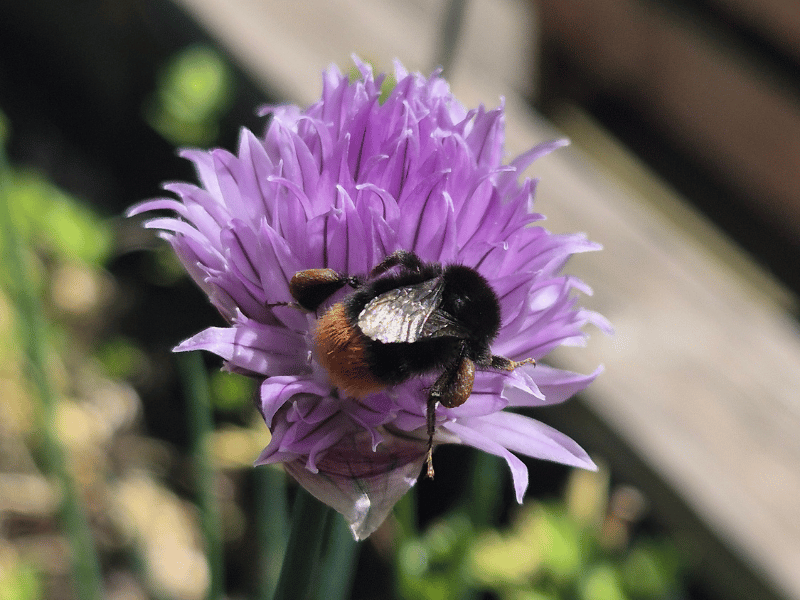
How does leaving grass un-cut help wildlife? Less mowing gives flowers a chance to grow, and flowers produce nectar which is the main food source for insects. Sometimes though, there may be more grass than flowers and sometimes there are a lot of 'weeds'. This is great too, as its created a foraging spot for mammals like hedgehogs and birds who will feed on grass seeds and insects such as beetles and spiders that are living amongst the vegetation. The University is particularly interested in attracting pollinating species, like bees and butterflies, as pollination is important for the rest of the ecosystem by ensuring plants, trees and crops can reproduce and fruit.
Overall, less mowing means more flowers, more pollinators, and a healthier environment!