
Supporting renal patients and their carers through the Kidney Information Network

When Amina Lorgat’s 16-year-old son was diagnosed with kidney disease in 2022, her life changed overnight, and she found herself navigating an unfamiliar and often isolating world as a parent carer.
What began as a search for support soon led her to collaborate with researchers at the University of Salford, helping to build the Kidney Information Network and advocating for better support for patients and their carers.
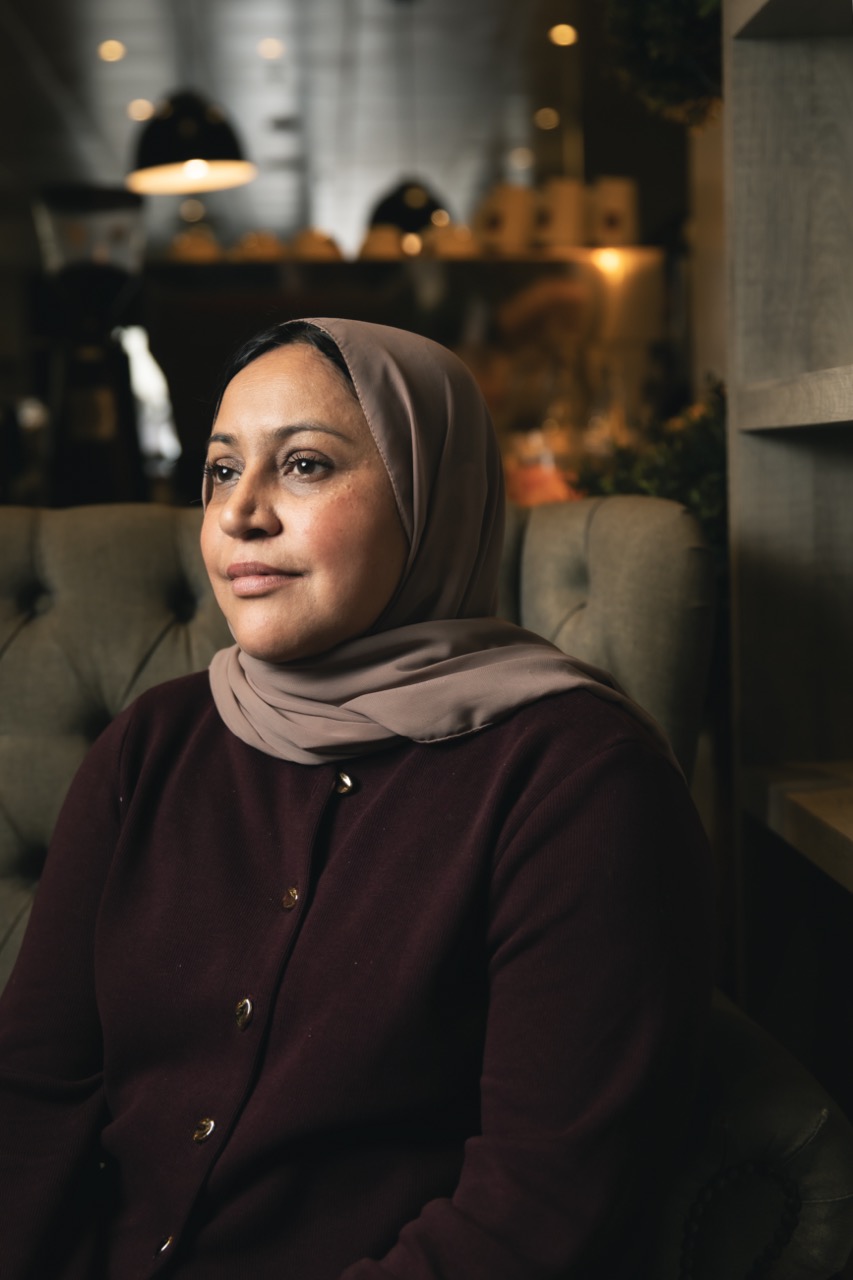
Amina first came across the University of Salford when her son was going through treatment.
“You can feel very alone when your family member first gets diagnosed with kidney disease – you really do feel isolated. I was scrolling online one day, desperately, while I was sitting in the hospital and I came across a post about University of Salford researchers looking for carers to help inform their project.
“And it hit me - wow, there's somebody that wants to know us and understand what we’re going through. And that's how it all started.
“I met Currie Moore from the University of Salford back in 2023. She had just started a pilot programme for carers of people with kidney disease and was looking for people to join her programme and to establish some kind of support for carers. I became one of the members of Currie’s kidney carers research advisory group. It was about sharing all the lived experiences we had as a group - which were all very varied - and from that, the Carers Kidney Information Network (Carers KIN) was established.”
Carers KIN forms part of the wider Kidney Information Network, established as a joint initiative between researchers at the University of Salford, NHS clinicians and the Hope Kidney Patients Association in 2013. Since its inception, the Kidney Information Network (KIN) has grown exponentially.
To keep up with this growth, the Kidney Information Network became a spinout company of the University of Salford last year - the University’s first asset-locked Community Interest Company (CIC). Kidney Information Network CIC has been set up as a social enterprise where profits are re-invested back into the company, to continue the pioneering work in extending the reach of the network, enabling as many people as possible to benefit.
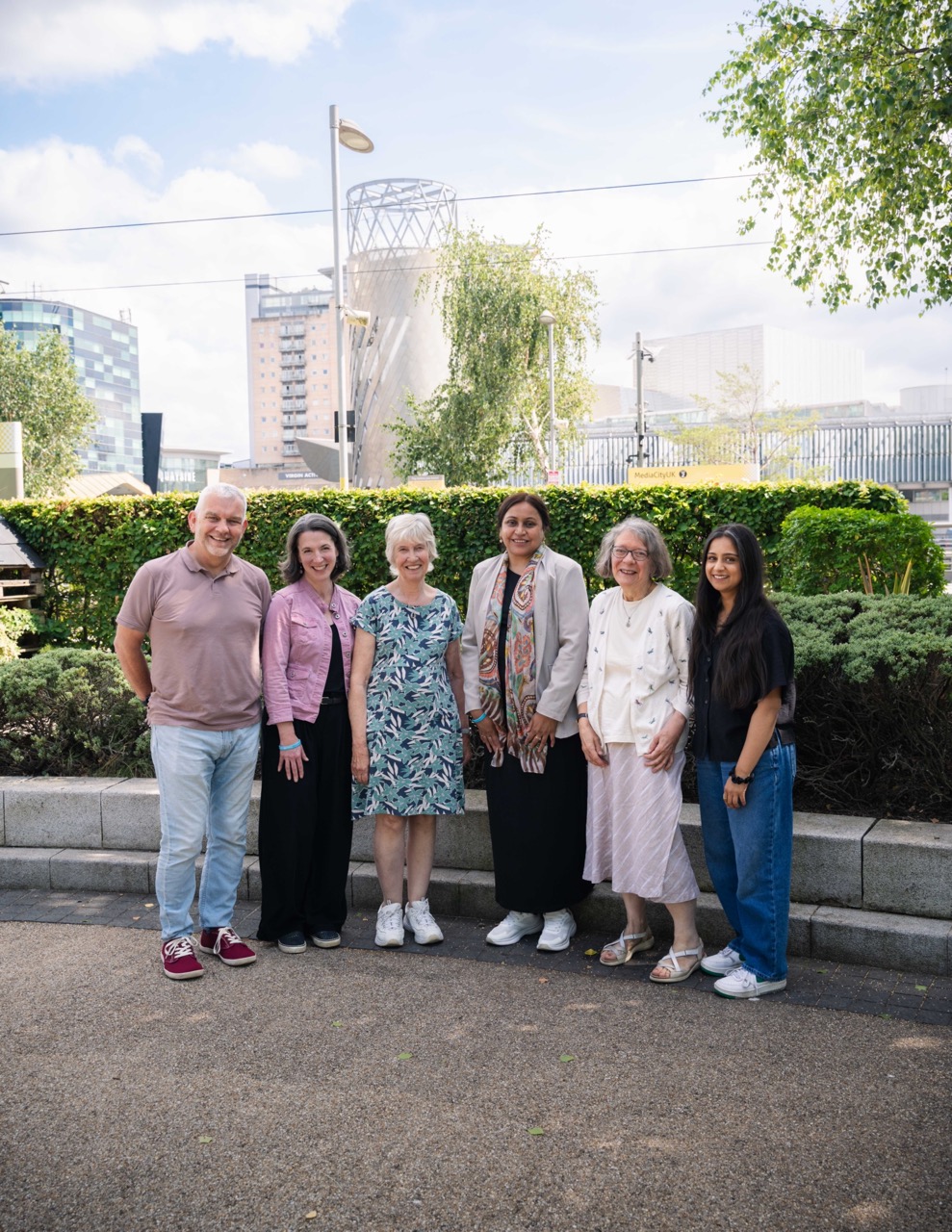
The network is an online platform that allows kidney patients and carers to share their experiences, as well as enhancing access to information and support.
The University’s research has shown that the Kidney Information Network improves health outcomes by increasing knowledge, improving communication between patients and clinicians, and reducing social isolation and anxiety.
Amina has now become more involved in the network.
“My role has evolved and I now support Currie alongside four other moderators of the online platform – who also have lived experience of caring for someone with kidney disease. A variety of people join the network; they might be looking for information, guidance or just support.
“It’s about providing a space where they can come and offload, join in with conversation and share lived experiences.”
As well as connecting kidney patients and carers to online groups, the Kidney Information Network connects people living with chronic kidney disease with peer support and guidance on different types of care and support available, including advice on nutrition, finance and work, how to manage symptoms and different treatment options, as well as resources for family members and carers.
The network is also a great way for the moderators to share experiences with academics at the University of Salford and drive new areas of research.
“People often talk to me about their experiences and then I'll take those stories back to Currie at the University of Salford.
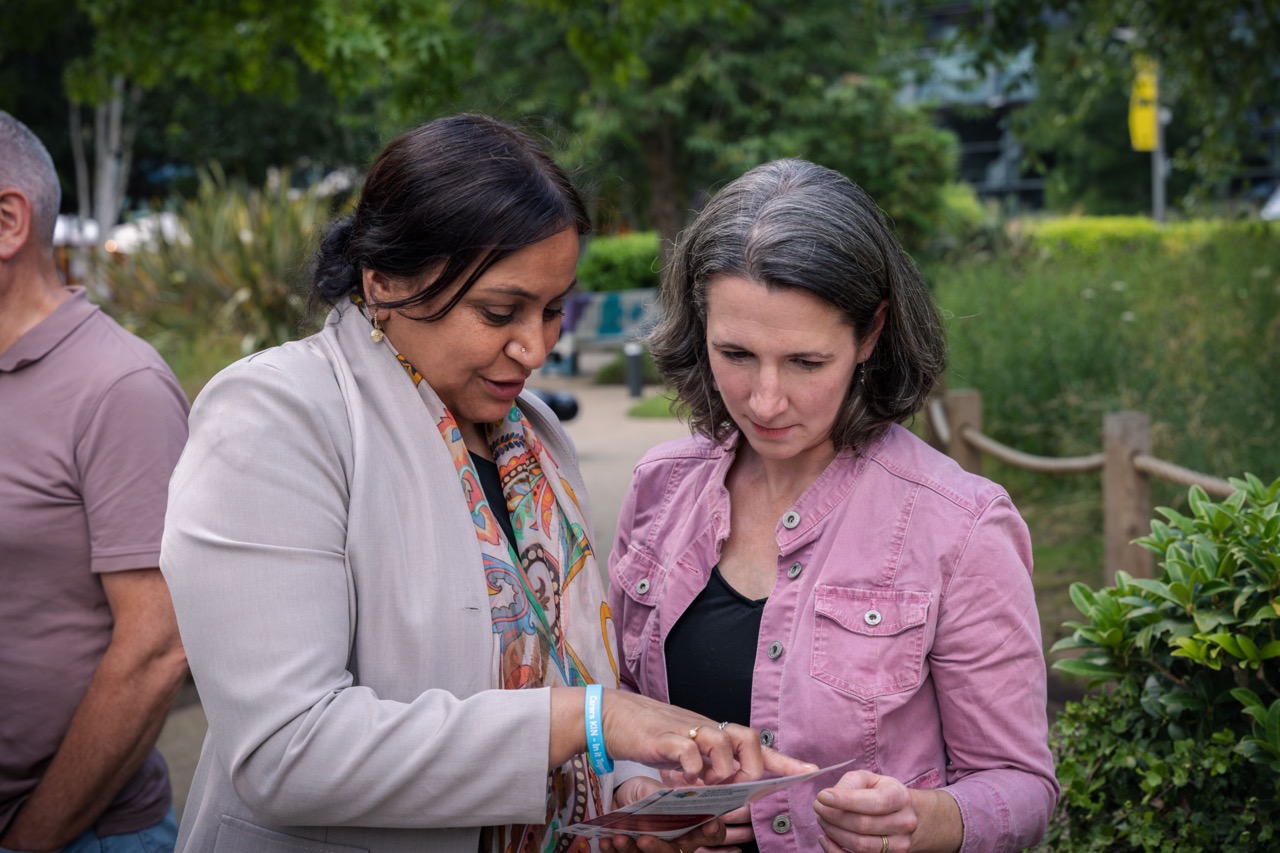
“It really helps to support the whole process, because so much of this can’t be learned from a medical textbook.
“It’s also highlighted just how many gaps there are in communication on the clinical side, which can often be so poor – one carer might be well informed, while another has very little information at all. So I learn a lot from the experiences of carers and I’m able to feed those insights back to Currie and the rest of the team.”
Amina’s son, Rayhan, was diagnosed with a type of kidney disease called IgA nephropathy in May 2022. After completing his GCSEs and starting college in September 2023, his kidneys failed and he began dialysis. Following an initial 12 weeks of treatment in hospital, Amina supported Rayhan to carry out dialysis at home for five hours at a time, four times a week, for the next nine months until he received a successful kidney transplant from his father in June 2024. After recovering from the transplant, Rayhan returned to college and completed his A-levels in 2025.
“You kind of get lost once someone you love gets a diagnosis, you feel like you’ve lost your identity because you become a full time carer.
“I used to work in a school for 19 years and then after my son’s diagnosis, I stopped working, I felt like I lost my friends, I missed all the kids I used to connect with. I felt like I was walking around as if I was not a human. I used to go into hospital and the focus would be on providing excellent treatment for the patient, however the carer is a little forgotten on the sidelines.
“The Kidney Information Network is somewhere for people to come and know that they don’t need to be on their own. It helps people to feel like themselves again."
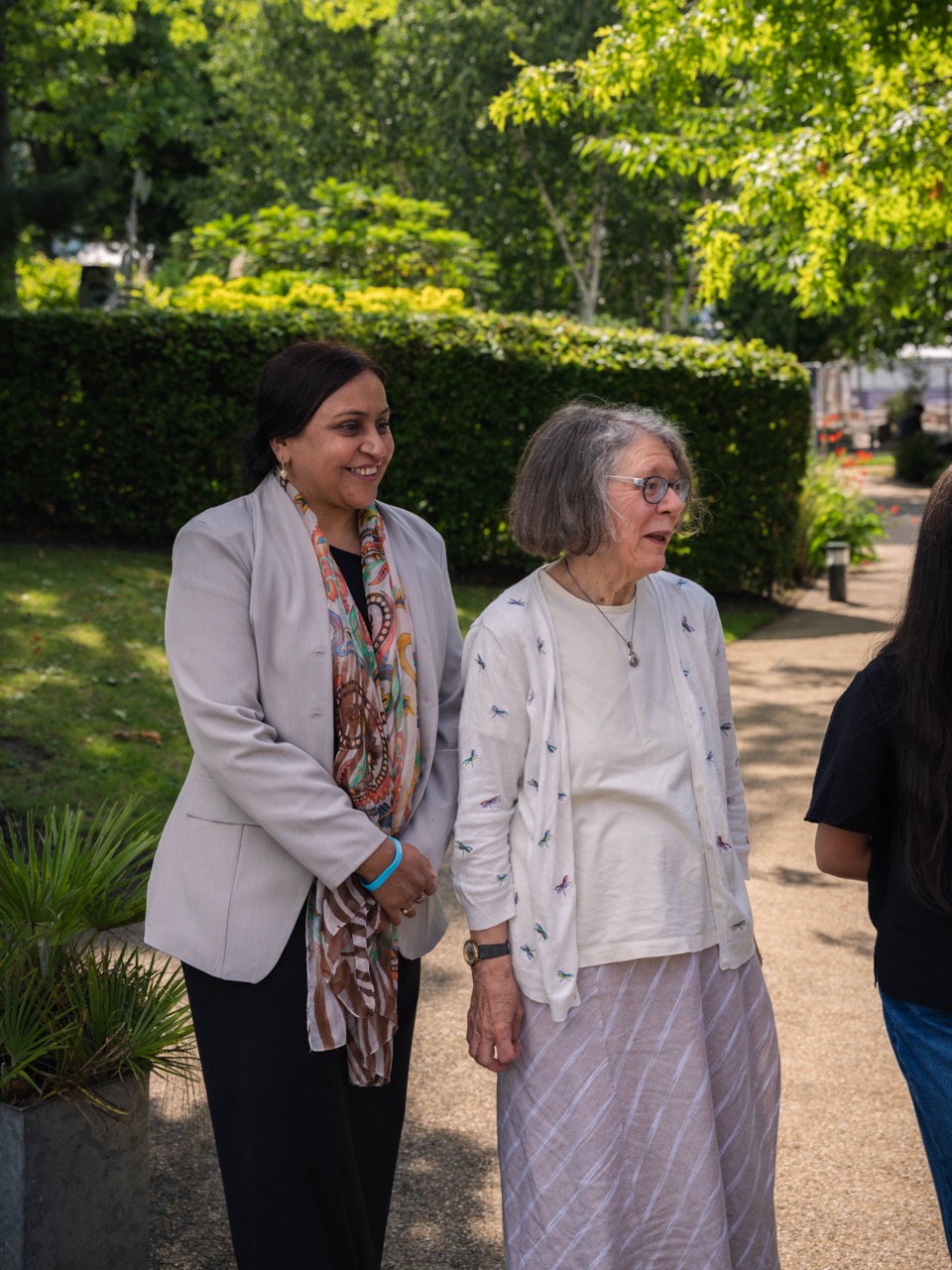
Looking back at the moment she first came across the team at the University of Salford, Amina never would have imagined how involved she would have got with the network.
“I was just desperate for answers for myself and wanted some support from somewhere. In the kidney disease world, there isn’t really much in the way of support like there is for other conditions. And I thought, we can't just be left on our own to get through this because it's a serious thing, organ failure, it's a major thing. And I just felt like I can't do this on my own. So that’s why I wanted to do whatever I could to contribute to the project.
“Before I became a carer for my son, I would never have known that a university would do something like this. You tend to associate universities just with teaching and study, don’t you?
“For me, research had always felt like something related to medicine and aimed at health professionals. That’s why it was so encouraging to discover that the University of Salford is doing this kind of work that supports people in the community.
“It’s incredible to see the difference the Kidney Information Network is making now and how much it’s grown. I don't really acknowledge that what we’re doing is really great, but I know it is, because carers really do appreciate it and I often get thanks from parents who say it’s amazing. I think we have made a difference.”
Amina and the team at the University of Salford have big ambitions for the future of the research project.
“The academics from Salford are working hard on increasing the support and visibility for carers as well as patients. They have a genuine passion for it. Currie is engaging with hospitals to improve signposting for carers as soon as a diagnosis is received.
“There’s also another project emerging from this work that focuses more closely on the barriers carers face as parents of paediatric patients and the support they need. And that’s come from us sharing so openly about the challenges in paediatrics and just how difficult the experience has been.
“As much as we all recognise how incredible the NHS is, there are still gaps that leave families struggling, so that’s why I’m so excited about this new project making a difference in the future.
“Hearing from parents who have felt supported means so much to me. More than anything, I don’t want another child or family to go through what we did and my hope is that, over time, things are improving - and that’s the ambition driving all of this.”
Amina Lorgat from Blackburn features in the University of Salford’s Heart of the Community exhibition, which includes portraits of seven different people in the community who have collaborated with the University’s academics on a variety of research projects. Amina is pictured in the cafe that she used to visit regularly with her son while he was receiving treatment for kidney disease. The exhibition runs from Monday 22 June to Thursday 13 August 2026 in the New Adelphi building on the University of Salford’s Peel Park campus.
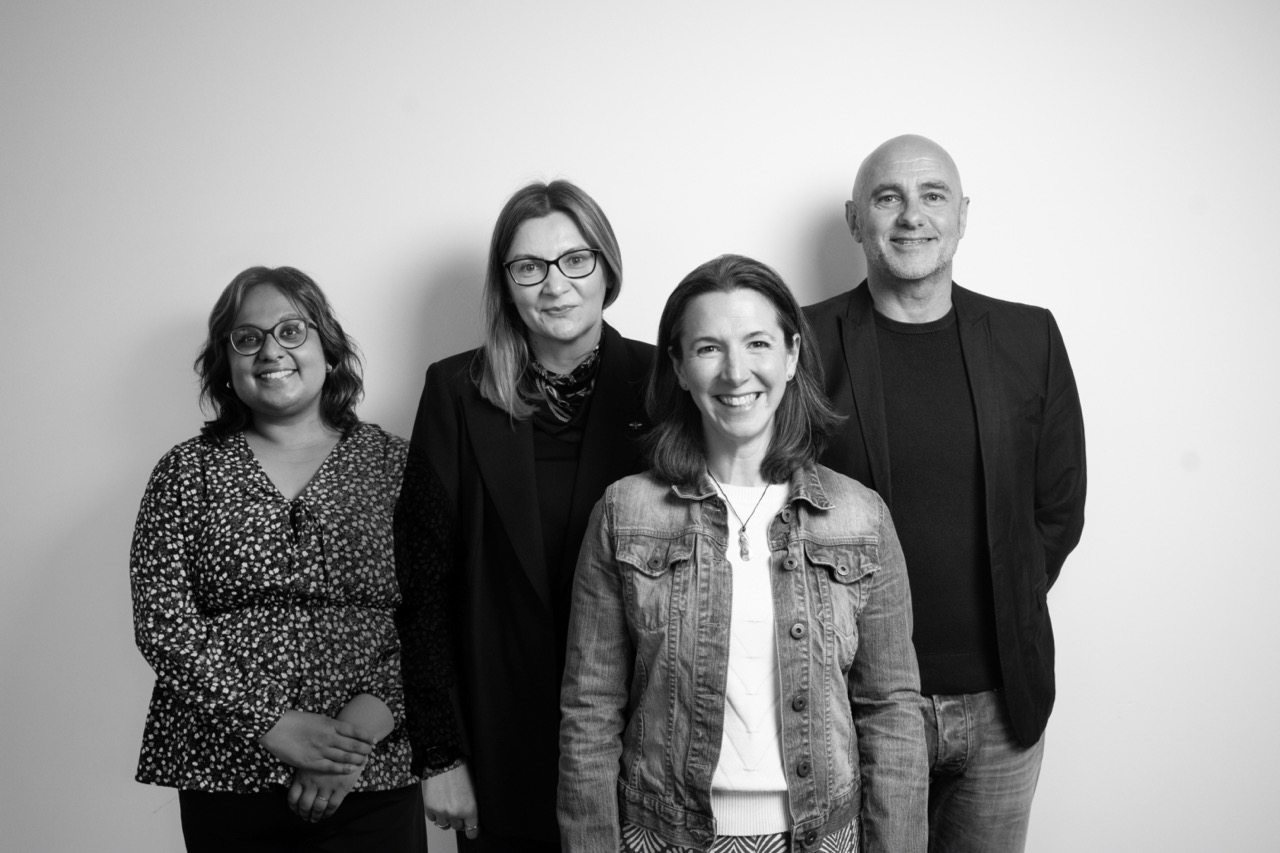 The Kidney Information Network team at Salford
For all press office enquiries please email communications@salford.ac.uk.