
Peer Assisted Learning (PALS)
Find further information about Peer Assisted Learning at the University of Salford.
What is Peer Assisted Learning at Salford?

Peer Assisted Learning at Salford (PALS) is a friendly and informal space for first year (level 4) students to meet and learn from second year (level 5) students on your course. The second year students - called Peer Leaders – are trained to guide PALS sessions, devise learning activities, help students find answers to questions, but are not teachers.
Peer Assisted Learning is running in selected programmes as a two-year pilot in 2024/5 and 2025/6. In 2025/6 PALS is running in the following programmes:
Salford Business School:
- Business Management with Economics
- Accounting and Finance
- Business with Human Resources Management
School of Health and Society:
- Criminology and Sociology
- Psychology and Criminology
School of Science, Engineering and Environment:
- Architecture
- Architectural Engineering
- Interior Architecture
- Pharmaceutical Science
- Biochemistry
School of Arts, Media and Creative Technology:
- Fine Art
- Dance
What can I expect at a PALS session?
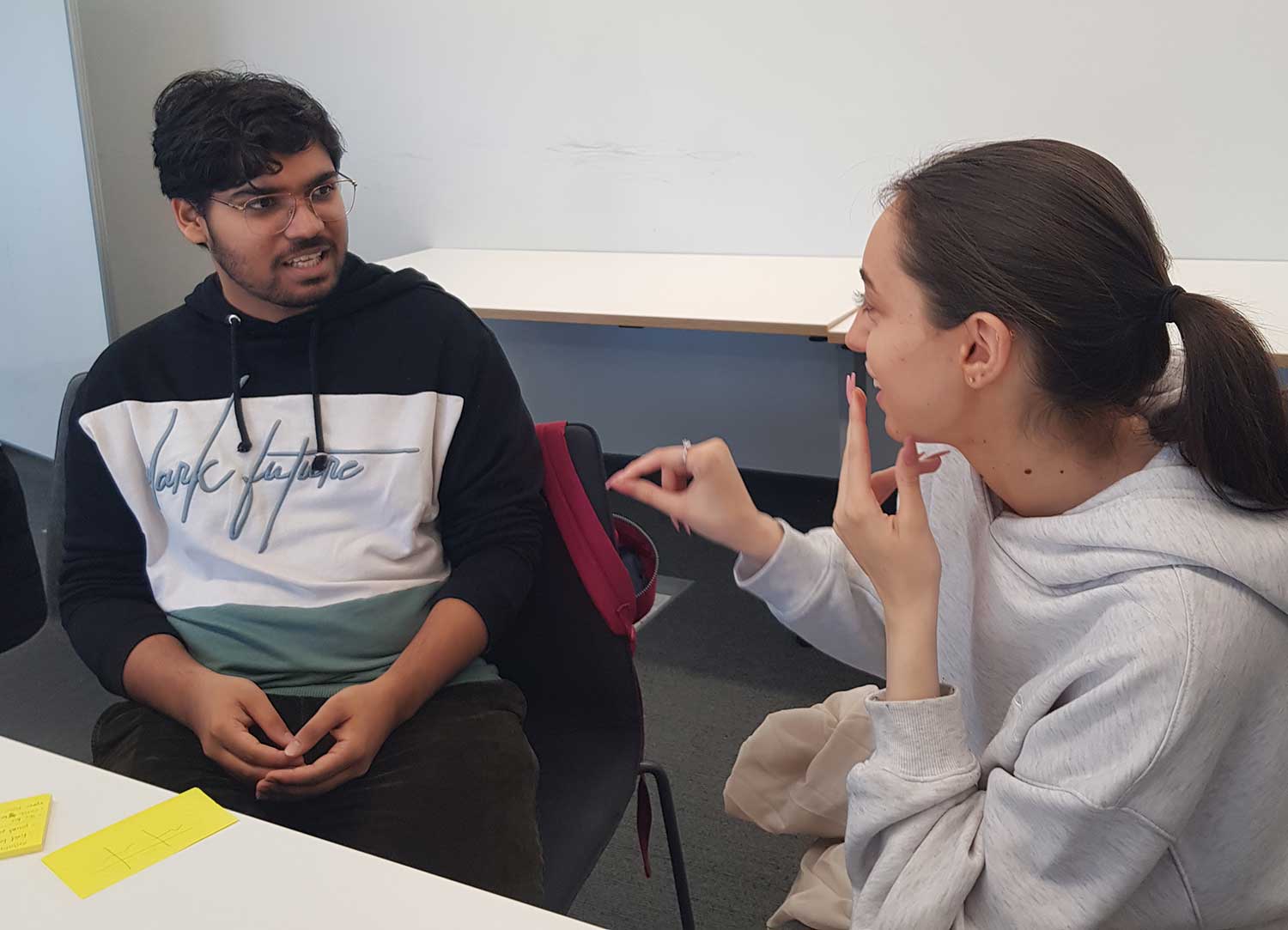
The content of each session is guided by what participants want to cover. It could include reviewing lecture content, sharing thoughts on how to approach an assessment, reviewing feedback, revision, and supporting each other in developing academic skills.
Why should I attend PALS sessions?
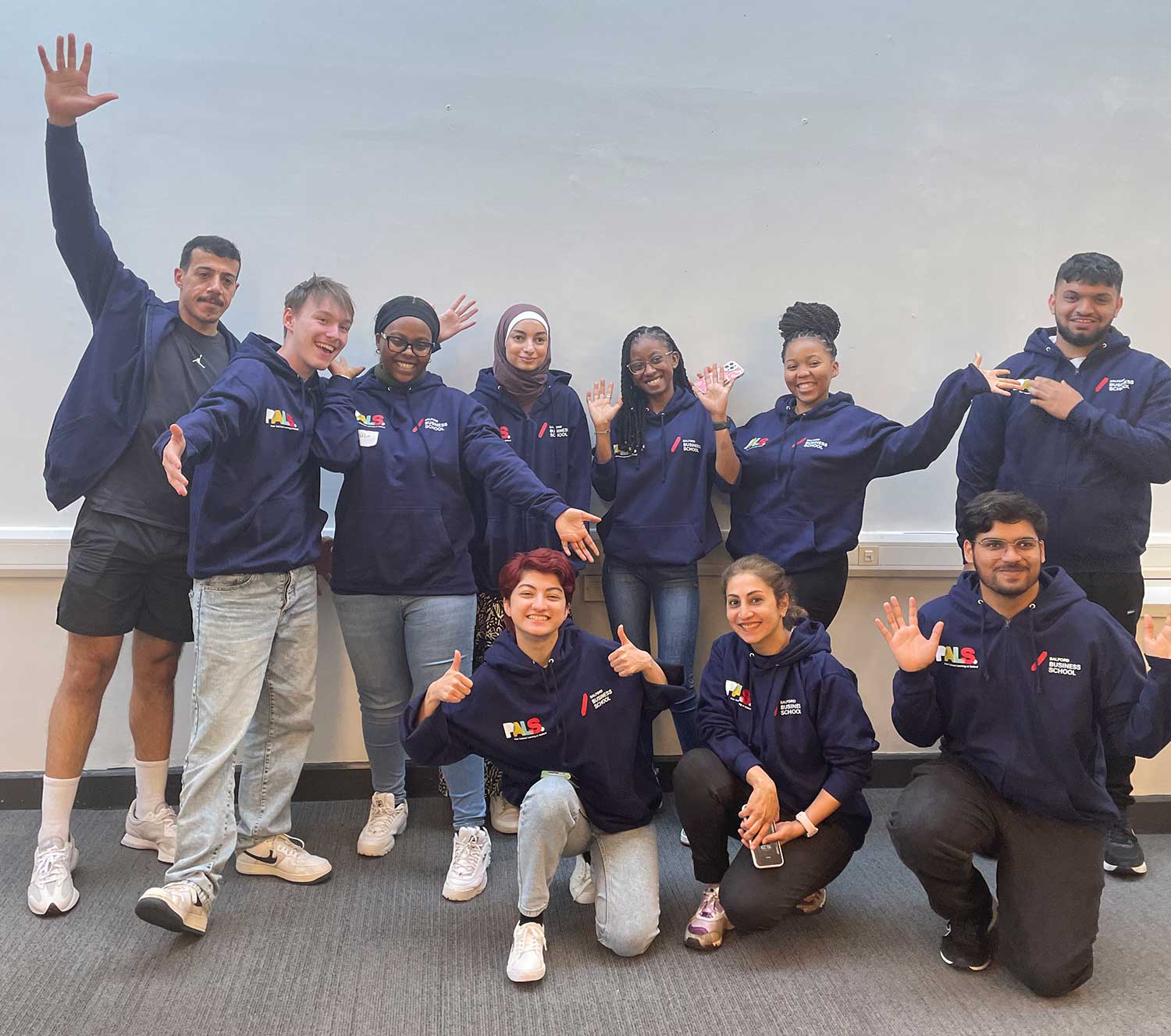
Students who attend PALS tend to do better at their studies than those who don’t.
It’s a safe and inclusive space to talk with and learn from other students on your course.
It’s easy: if you’re a first year student on one of the courses mentioned above, your PALS session appears on your timetable – all you have to do is show up.
What first year students are saying about PALS
“I found the assignment support provided by PALS to be very beneficial. It helped me understand my assignments better.”
“Socially, PALS changed a lot for me as I was able to make connections with second year students, and I still get on with them very well.”
“I felt much more comfortable with students who have just done what I’m doing rather than senior university staff.”
“It is easier to speak to peers sometimes rather than senior intellectuals.”
“PALS guided me to find answers for myself rather than providing the answers directly, which is different from seeking help from lecturers.”
How do I become a PALS Peer Leader?
Becoming a PALS peer leader is a worthwhile and rewarding experience. Check out what our peer leaders say about the role:
If you would like to become a PALS Peer Leader, you must be a second year student on one of the programmes mentioned above. If you are on one of these programmes, please contact a member of the teaching staff on your programme or the programme lead who can advise you.