

CertHE Quantity Surveying
Full-time
Part-time
One year
Two year
September 2026
In a nutshell
The course covers the essential practical and technical processes involved in quantity surveying. It provides you with a good understanding of the role of the quantity surveying professional and the varied tasks associated with the role, as well as offering an underpinning to the professional cost management side of a construction project.
The delivery of the programme will be either full time or part time, predominantly face to face lectures, with some on line delivery where this style suits the module, and guided tutorials to support learning in both the academic and on-site arenas. Methods of assessment may vary but generally will be a mix of coursework, project based groupwork, examinations and presentations. Assessments are based on both live projects and specific built environment scenarios to ensure students gain the relevant skills to apply and contextualise theory and practice in both an academic and industrial setting.
The CertHE in Quantity Surveying is a standalone course, meaning you can obtain foundational knowledge of Quantity Surveying within one year, or two if you choose to study part time. After you complete your CertHE qualification, if you wish to, you can progress onto the BSc Quantity Surveying course at Level 5 to complete the full degree qualification.
You will have the opportunity to learn and develop areas within the role of Quantity Surveyor, including:
- Describing and understanding the stages of design from inception to completion, including the impact of legal systems, contractual mechanisms and construction technology on construction costs
- Implementation and use of appropriate contracts, as well as how procurement and tendering processes and strategies are applied
- Understanding how effective cost control, prediction techniques and discounting techniques are, as well as benefits and risks associated with design variables
- Developing and demonstrating knowledge and understanding of the application of appropriate methods of qualification and costing to project works
- Producing pricing documents such as bills of quantities, schedules of activities/works, schedules of rates or contract sum analyses
- Planning, managing and reporting on project costs accurately throughout the life cycle of a project including cost value reconciliation, cost reporting and profitability
This is for you if you want to...
Develop specific skills and expertise relating to the controlling and managing the costs of construction projects
Develop the intellectual and practical skills required to collect, analyse and interpret information, evaluate evidence and opinion, solve problems, reach sound judgements and communicate them effectively
Gain the knowledge and understanding of the construction industry, the organisation and management of construction procurement
Develop the skills and confidence to get involved with any stage of a project, from feasibility, design and construction, through to extension, refurbishment, maintenance and demolition
Develop transferable skills that are required for study and employment and give you the confidence and ability to embrace change
All about the course
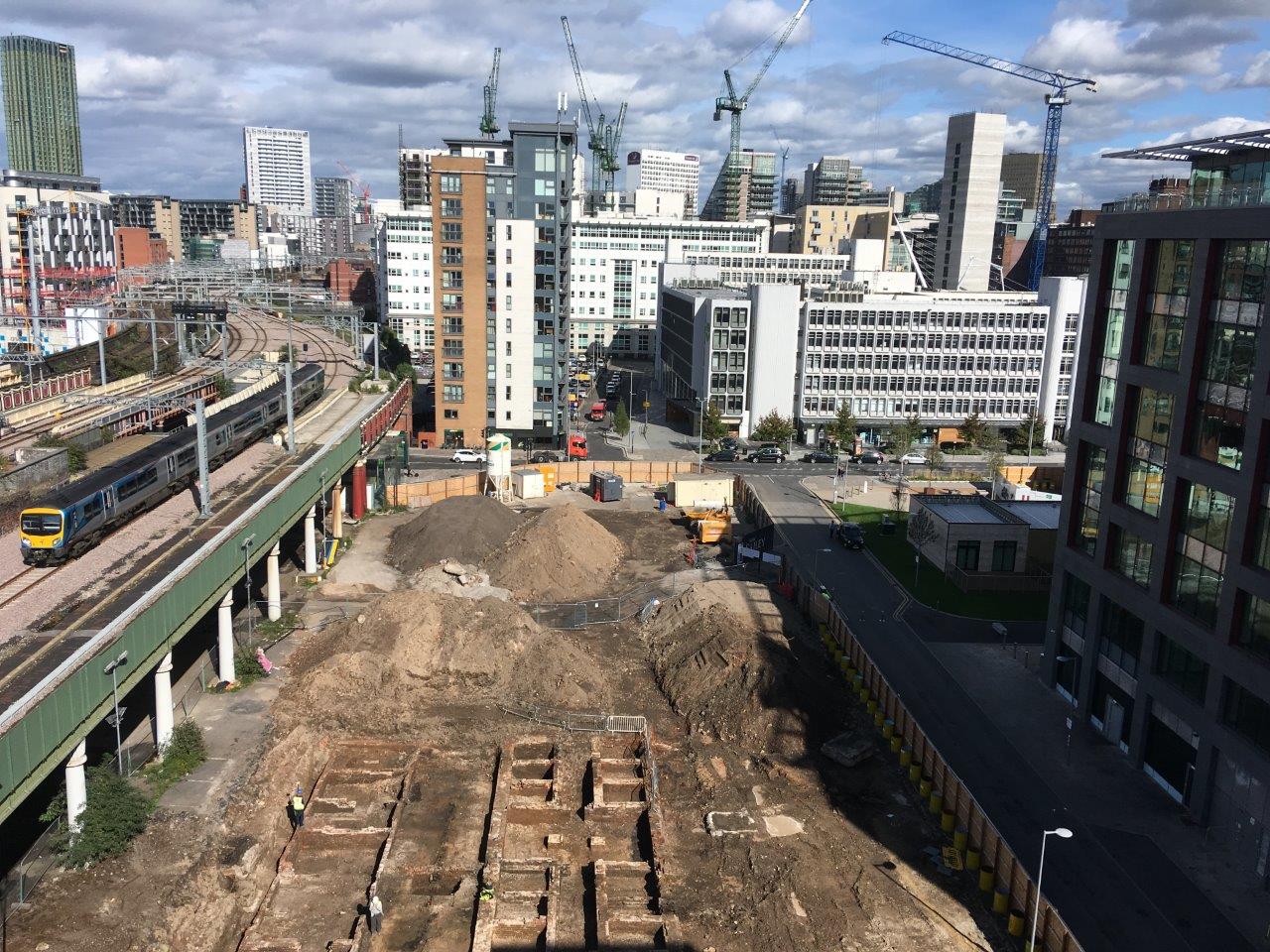
As well as the fundamentals of cost management, additional digital skills are fully embedded throughout the course, using industry standard software, to encourage you to develop your confidence in producing cost estimates and bills of quantities. You'll also develop your problem-solving skills - the course will allow you to build your knowledge to enable you to provide sound and justified cost management advice and guidance in a variety of different formats. To aid this, you'll be encouraged to develop your technical writing and presentation skills throughout the course.
Introduction to Law and Regulatory Frameworks
You will be introduced to English law and relevant statutory requirements for studying for vocational qualifications in the construction and property professions. The module also introduces you to the workings of the English legal system, to the law relating to contracts and to the regulatory framework affecting the use, management and development of land, in particular, planning, building control and the CDM regulations.
Technology 1
You will gain the necessary knowledge and skills to describe, explain, evaluate, compare and apply building construction techniques and materials used in typical low-rise, domestic type buildings, with a focus on contemporary construction techniques. You will develop a systematic understanding of the sustainable practices involved in building construction.
Economics and Management
On successful completion of this module, you will be able to demonstrate knowledge of basic economic concepts and principles of the economic environment in which the construction and property industry operates and knowledge of management theories in the construction context. You will be able to discuss the key role of the construction industry in the economy, current economic issues and management challenges in the construction and property context.
Quantity Surveying Private and Commercial Practice 1
You will explore the role of the quantity surveyor in the contemporary construction industry. You will learn to quantify basic domestic building construction work, using industry measurement guidelines and principles. You will also learn to estimate and prepare bills for domestic building construction, understand the tendering processes and apply ICT to quantity surveying practice.
Quantity Surveying Discipline Project 1
This project is an opportunity to develop investigation skills using case studies. You will develop an awareness of the key quantity surveying skills used in a real world/problem based scenario. The module will encourage you to develop self-discipline, personal planning/organisation and reflection, whilst also developing your communication and personal skills.
Introduction to Quantity Surveying
On successful completion of this module, you will be able to demonstrate knowledge of the role of the quantity surveyor and the activities a quantity surveyor would undertake in the pre-construction phase of a project.
The modules progresses understanding of the processes of financial and cost control during the construction phase of a project and involves the area of contract administration during the pre-construction and construction phases of a project.
We take a flexible approach to our course delivery that promotes diversity and inclusivity and provides a blended learning experience, which will vary to meet specific programme requirements. This learning time includes formal lectures and interactive activities such as seminars, tutorials, practical sessions, laboratory and studio learning. Smaller classes may be used to support collaborative activities such as project and group work and presentations. A range of different assessments and feedback is offered to meet the needs of both our diverse student body and specific subject needs.
Our undergraduate courses are normally made up of 20 credit modules which are equal to 200 hours of learning time. A three-year degree qualification typically comprises a total of 360 credits (120 credits per year).
Please note that exact modules and content offered may vary in order to keep content current and, for courses that offer optional modules, may depend on the number of students selecting particular options. When accepting your offer of a place to study on a programme with optional modules, you should be aware that optional modules may not all run each year. Your tutor will be able to advise you as to the available options on or before the start of the programme. Whilst the University tries to ensure that you can undertake your preferred options, it cannot guarantee this.
School of Science, Engineering and Environment
Rising to the challenge of a changing world, our degree courses are designed to shape the next generation of urbanists, scientists, engineers, consultants and leaders.
Driven by industry, and delivered by supportive programme teams, you can develop the knowledge and skills to become unstoppable in your career.
Industry collaboration and research
When you start this CertHE Quantity Surveying programme with Salford, you are also joining a community making a difference in industry, our local region and in our wider society.
Many of our academics and technicians who support your course are also part of a collective delivering collaborative, interdisciplinary, high-impact work in a range of local and global environmental issues and challenges.
Read on and discover how you are part of something bigger.
What about after my CertHE in Quantity Surveying?
EMPLOYMENT
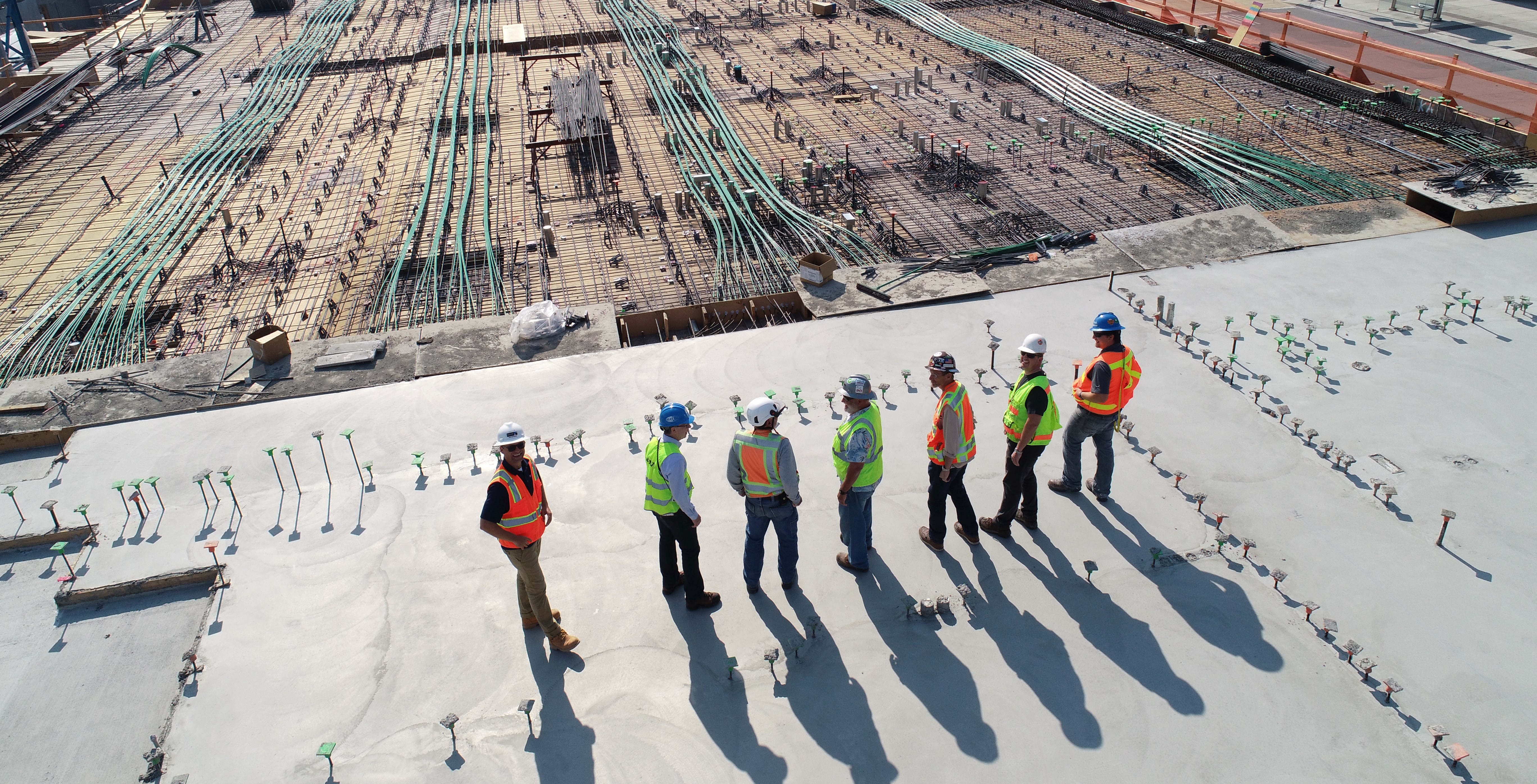
Following completion of the programme graduates will use this course to gain the skills and knowledge required to advance their careers and undertake a range of Quantity Surveying roles, particularly for careers in the construction industry.
The university of Salford, particularly the School of Science, Engineering and Environment have close working links with employers throughout the Northwest and primarily in the Manchester area. These links are further enhanced with local and national contractors, consultants and clients choosing to educate and train their staff.
LINKS WITH INDUSTRY
This course is extensively informed by collaboration between the university’s academics and industry partners from the built environment. Our experienced teaching team maintain strong links with the architecture, engineering and construction sectors, both local and international.
This collaboration with the professions ensures a stimulating range of external guest lecturers, as well as career networking opportunities. You will benefit from field visits, practitioner-led lectures and real-world problem-solving work developed for and by industry.
FURTHER STUDY
After completing this course, you could also go on to our BSc (Hons) Quantity Surveying programme to further your study in the sector,
How to get accepted on the CertHE Quantity Surveying course
APPLICANT PROFILE
Applicants should have a passion for the Built Environment and a desire to gain an understanding of how projects are procured, built and delivered. Students should have a willingness to engage in group activities, be curious about the impact of the Built Environments carbon footprint and enthused by the positive impact we can have on people's lives, places we inhabit and the wider socio-economic environment.
In addition to our academic entry requirements, we also look for certain characteristics in our applicants. These include focus, determination, communication skills, and a willingness to find solutions. Possessing these characteristics will not only help you to fulfil your potential at university but are also an essential requisite for a successful career in the built environment.
Applicants could be working in the Built Environment and should hold a suitable L3 National Diploma at MPP in a construction related area.
ENGLISH LANGUAGE REQUIREMENTS
If you are an international student and not from a majority English speaking country, you will need an IELTS score of 6.0 with no element below 5.5. We also accept a range of other English language qualifications. If you do not have the English language requirements, you could take the Pre-Sessional English course to gain entry onto this degree.
GCSE
In addition to Level 3 requirements, you must have evidence of Level 2 GCSE English and Maths at Grade C/4 or above.
UCAS tariff points
You will need 64 UCAS points to study on this programme.
BTEC Level 3 National Extended Diploma
MPP.
A Level
64 Tariff Points. Two full A-levels required as a minimum.
Access to HE
64 UCAS points from a Level 3 QAA-approved Access to HE Diploma.
T Level
Overall Grade P - Any subject accepted. Must have passed all components.
Scottish Highers
64 points from two Scottish Higher Levels required.
International Baccalaureate
28 points overall. Must have passed the full International Baccalaureate to be considered.
Irish Leaving Certificate
64 points from two Higher Levels required.
Salford Alternative Entry Scheme (SAES)
We welcome applications from students who may not meet the stated entry criteria but who can demonstrate their ability to pursue the course successfully. Once we have received your application we will assess it and recommend it for SAES if you are an eligible candidate.
There are two different routes through the Salford Alternative Entry Scheme and applicants will be directed to the one appropriate for their course. Assessment will either be through a review of prior learning or through a formal test.
How much?
| Type of study | Year | Fees |
|---|---|---|
| Full-time home | 2026/27 | £9,790 per year |
| Part-time | 2026/27 | Part-time fees will be calculated on a pro rata basis |
Tuition fees will increase in the second and each subsequent year of your course by the rate of inflation, subject to the maximum fee limits set out by the UK Government.
Additional costs
You should also consider further costs which may include books, stationery, printing, binding and general subsistence on trips and visits.