
Environmental Research and Innovation Centre

The Environmental Research and Innovation Centre is a world-leading centre pioneering innovative solutions at the intersection of environmental science, biodiversity and sustainability.
With over 200 members, the Environmental Research and Innovation Centre (ERIC) is the largest sustainability research unit at Salford. ERIC has an overarching vision of understanding and analysing the biological, physical and social dimensions of environmental changes and the resultant impacts on humans, animals and plants through high-quality, high-impact research.
The goals of the ERIC are to:
- Provide highly collaborative, interdisciplinary, high-impact and forward-looking research of an internationally excellent standard that will underpin excellent teaching, learning, training, experiences, and employability for students.
- Engender a collegiate culture of multidisciplinary collaboration and dialogue to facilitate novel research opportunities.
- Build research capacity in the broad areas of biodiversity, conservation, pollution, and green environments.
- Provide infrastructure, mentorship and training to support and promote research.
- Enable impact-driven research, through the transformation of policy, environments, behaviour and broader activities.
The Centre has four main Research Groups alongside an array of supporting innovation units, such as Ignition, ThinkLab, Energy House and more.
Biodiversity Research Group
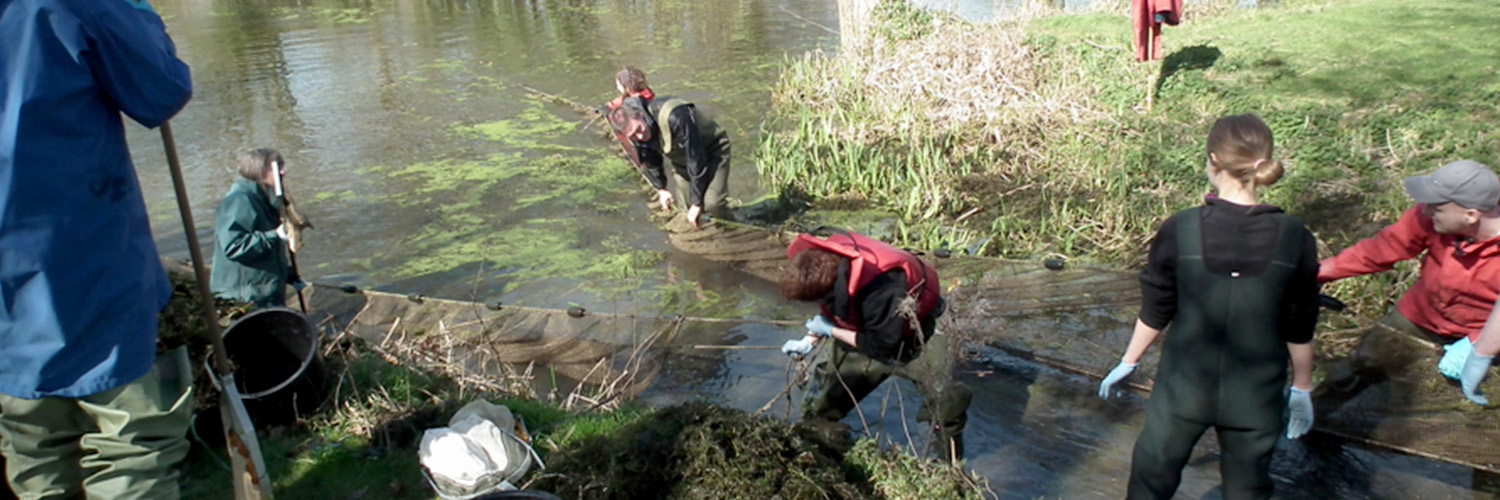
The Biodiversity Research Group brings together ecologists, biologists, environmental scientists and a host of other disciplines who conduct cutting-edge research in ecological and biodiversity sciences. Recent work includes NERC-funded work on new world primates, to a NERC project on creating inclusive virtual tools for exploring environments.
Lead: Dr Robin Beck
Green, Grow and Thrive Catalyst
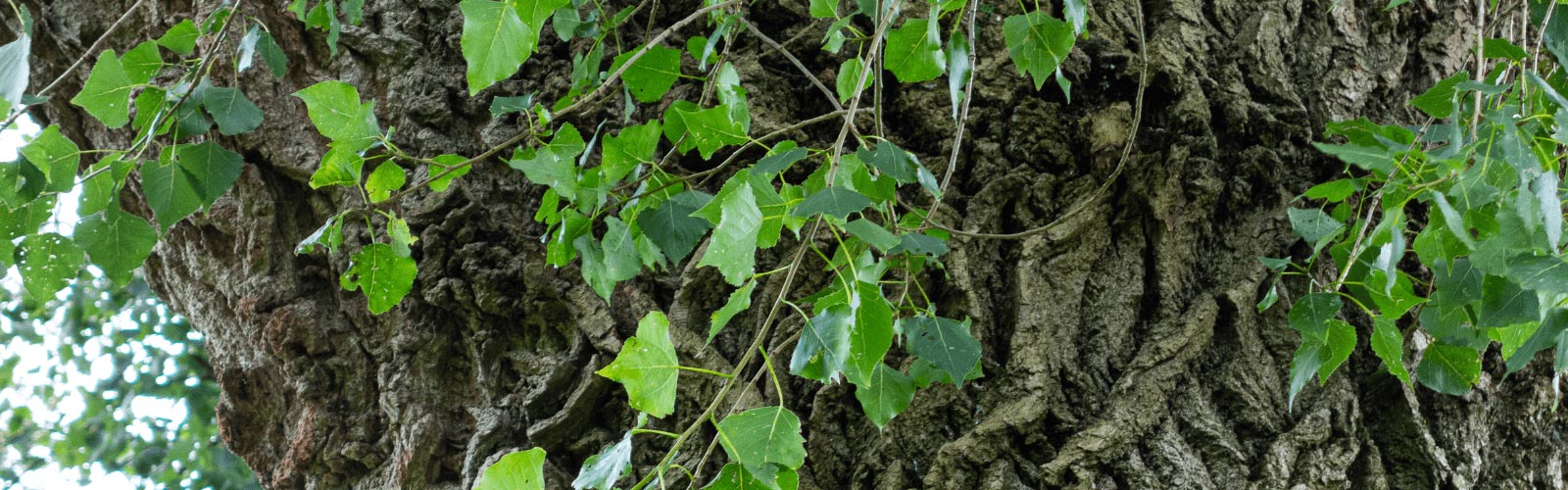
The Green, Grow, and Thrive Catalyst is an interdisciplinary hub bringing together Salford researchers and external partners with an interest in urban agriculture, green infrastructure, and social prescribing. Our mission is to create a space for networking, to facilitate knowledge sharing, and to create opportunities for collaboration and innovation. Born from the previous Industrial Collaboration Zone units (2014 – 2023): the Salford Care and Urban Farm Hub and Salford Social Prescribing Hub, the combined venture aims to scale-up work and act as a catalyst for collaboration, both internally and externally.
Lead: Dr Andrew Jenkins
PuRe (Pollution) Research Group
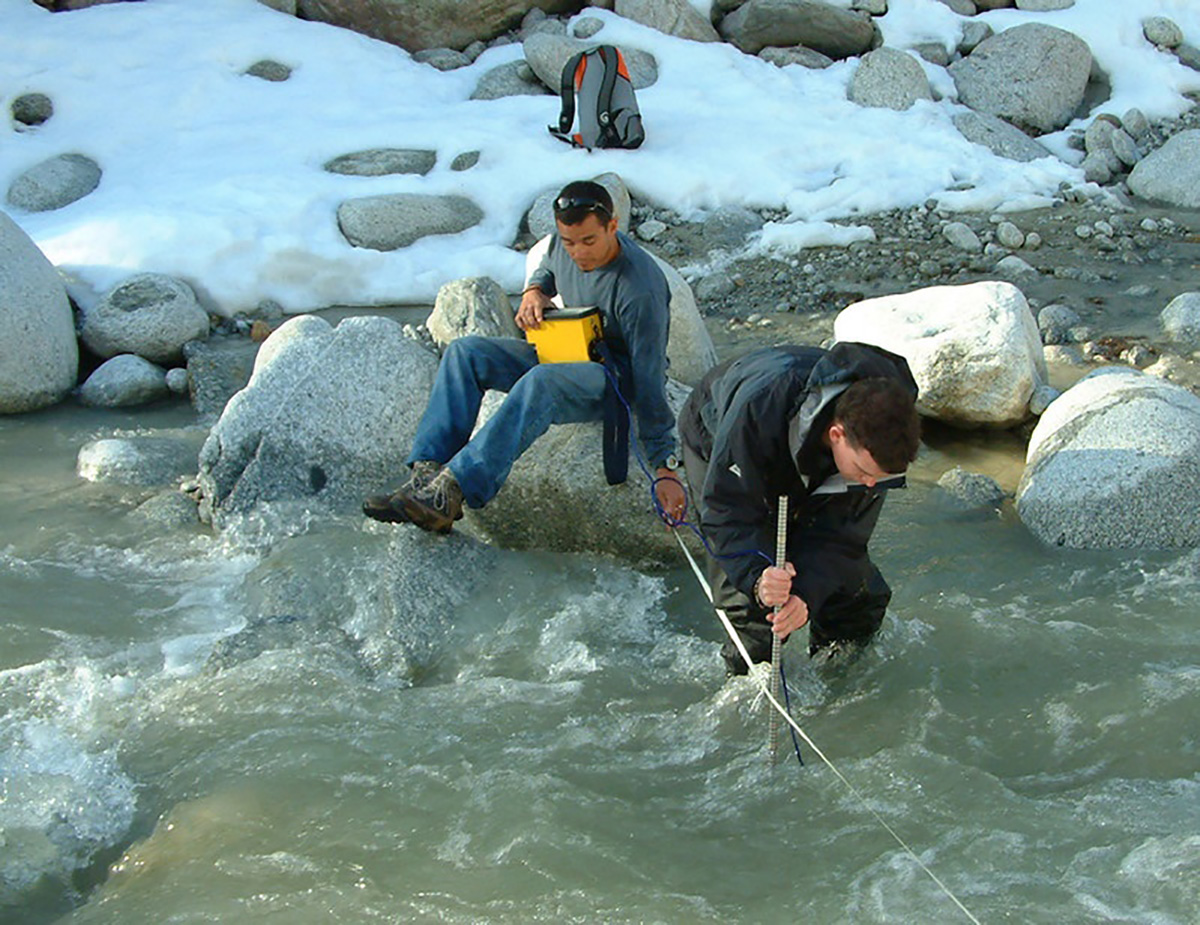
The Pollution Research Group (PuRe) brings together academics working across soil, water, air and noise pollution studies. The interdisciplinary group brings together an array of geographers, ecologists, environmental and acoustic researchers to explore innovative solutions for tackling pollution in its many forms. Recent work includes the Horizon funded Plan-B project, exploring light and noise pollution, to the NERC-funded (and Times Higher Research project of the year) Chernobyl project.
Lead: Dr Helen Whitehead
Climate Resilience Research Group

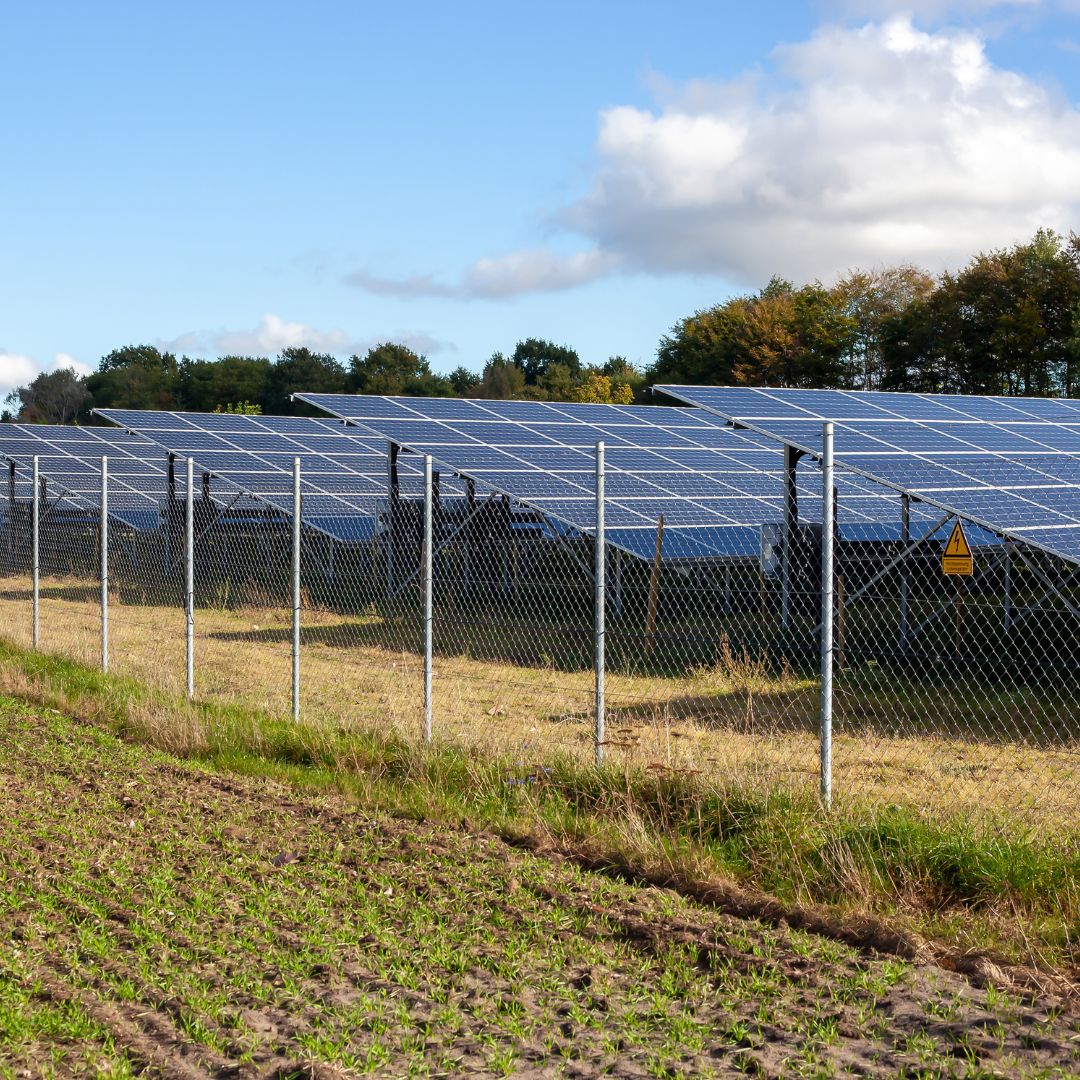
The vision of the Climate Resilience Research Group is to safeguard current and future generations by delivering innovative, community‑centred climate‑resilience solutions that preserve lives, livelihoods and natural systems. The group conducts interdisciplinary research to address the multifaceted challenges of climate resilience across the built environment, natural ecosystems, and social systems. The group spans across two Research Centres at the University, with the team at ERIC collaborating with colleagues in the Built and Human Environments Research Centre.
Postgraduate Research Group
Leads: Dr Amy Leedale and Dr Rosie Anthony
Ignition Living Lab
Situated at the heart of the University of Salford, the Ignition Living Lab comprises of an interconnected rain garden, green roof, green wall and SuDS (Sustainable Urban Drainage Systems) trees. These features are monitored through real-time environmental sensors and offer a unique opportunity to generate high-quality research outputs, support curriculum delivery, and model climate-adaptive infrastructure in real-world urban conditions. Ignition 2.0, the next iteration of the project, works across ERIC and the institution to explore radical new ways of scaling-up green infrastructure in our cities.
Get in Touch
For more information, please contact the Director of the Environmental Research and Innovation Centre:
Email: M.Hardman@salford.ac.uk