
Empowering families affected by Fetal Alcohol Spectrum Disorder

Fetal Alcohol Spectrum Disorder (FASD) is thought to affect thousands of children across the UK, yet it remains widely under-recognised and poorly understood. Anna Webster, from south Manchester, is helping to change that.
Alongside academics at the University of Salford, she is helping to shape pioneering research around the condition. Drawing on her experience of caring for her adopted son with FASD, Anna is working together with Salford to improve awareness and support for families affected by what is often described as a hidden condition.
Fetal Alcohol Spectrum Disorder (FASD) is a common neurodevelopmental disorder caused by prenatal exposure to alcohol. The UK has one of the highest estimated rates of FASD in the world, however it is often missed or misdiagnosed, leaving people with FASD and their families with insufficient support and access to services.
The University of Salford is conducting vital research alongside clinicians, researchers and the community to understand various aspects of the cause and impacts of FASD, developing interventions and support to improve lives, help to raise public awareness and provide training for professionals.
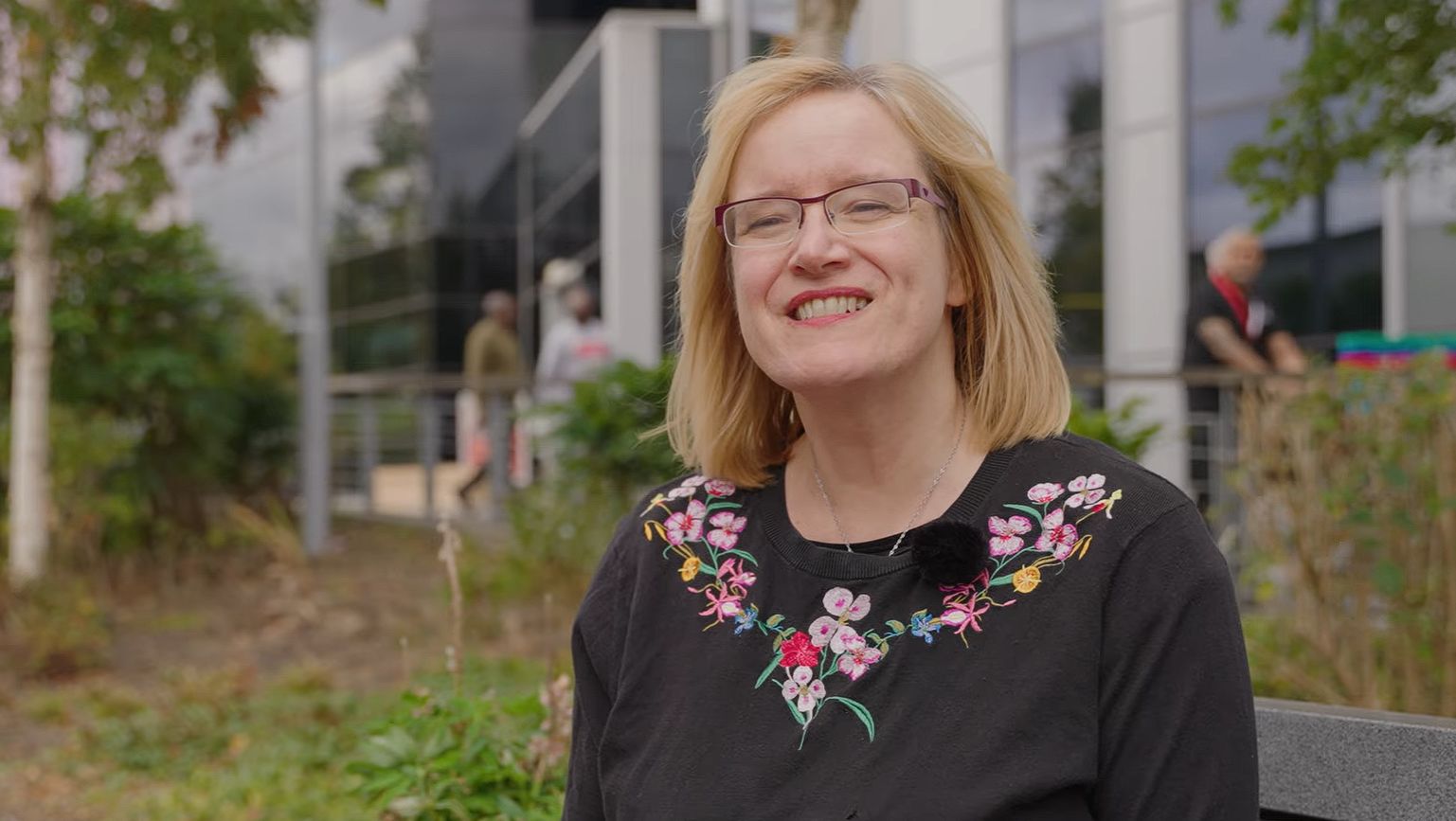
The team at Salford is also working with policy makers to facilitate fast traction of the information to clinicians around the country for better diagnosis and early intervention and also raise awareness amongst affected individuals and families so they find it easier to seek diagnosis and the support they may need.
In 2019, Anna Webster from south Manchester heard about the University’s research and met Professor Penny Cook and Dr Alan Price for a coffee to talk about their work and how she might be able to get involved.
Anna went on to support the research team in a multitude of ways, using her living experience of caring for her adopted son with FASD. She joined a project funded by the Greater Manchester Integrated Care Partnership to establish the prevalence of FASD in Greater Manchester. The research showed that around 3 to 4 per cent of children in mainstream schools in Greater Manchester may have FASD and this is likely to be similar across the rest of the UK.
Anna explains: “Fetal Alcohol Spectrum Disorder is a hidden epidemic; it’s so hidden and so common.
“In reality, it’s actually expected to be quite a bit higher than 3 to 4 per cent. It means it’s more common than autism, which is often estimated at 1 to 2 per cent. That’s why the team at Salford are so amazing in doing this research, it is so needed. I know I’m saying all the cheesy phrases, but it genuinely is world leading, trail blazing, path breaking - all those things!”
Anna also supported the University of Salford’s development of the parenting intervention SPECIFiC, funded by the Medical Research Council. It was developed following research by the University that showed there is lack of support for families from service providers and often inappropriate services were being offered.
“So the acronym - there is always a joke that Alan is the only one who remembers the acronym – stands for Salford Parents and carers Education Course for Improvements in FASD outcomes In Children. It’s a psychoeducation programme for caregivers of children with FASD. It’s seven group workshops looking at the different aspects of how the brain is affected and how families can be prepared for the specific challenges of FASD, including strategies that can help.
“It helps parents to understand the condition, understand their children more, have greater compassion for themselves and the kids, and employ effective tools for managing the condition. And a really important part is learning to look through a brain-based lens.
“One of the really key things to understand about a child with FASD is that it is a brain-based disability.
“A lot of what might be viewed as intentional mis-behaviour is actually symptoms of a brain-based condition. It’s so important to recognise it through that lens - that it’s not intentional behaviour, it's literally the brain difference that's leading to how they're acting.”
Anna and her partner adopted their son when he was nine months old and he’s now 13.
“My son was diagnosed with FASD when he was three. It's been a roller coaster, an epic roller coaster. The vital, essential component of seeing it through the FASD brain-based lens for me makes all the difference, because there's a lot of challenging symptoms. Being a connectivity disorder, sometimes those connections are made, sometimes they’re not. So minute-to-minute, hour-to-hour, day-to-day, you can see a very different child.
“There’s a lot of sensory issues and a lot of issues with emotional regulation, which means children can have a lot of meltdowns, get very frustrated very easily. Change and uncertainty is hugely threatening, which means children behave in really challenging ways. Unless you see all that through the FASD lens, things would be a lot more difficult. It's even doubtful that our family would still be together if we hadn’t.”
Initially, Anna took the lead role for patient and public involvement and engagement (PPIE) in the SPECIFiC project.
“The PPIE group group - or also called Lived Experience Advisory Panel - brings together people with lived experience, who are experts by experience – I like that term. The University of Salford has been really pioneering in involving this group throughout the FASD programme, with regular meetings where members can share views, experiences and ideas.
“They’ve genuinely helped to steer the programme and shape how it has evolved, and they’ve been properly listened to.”
“You can do all the research in the world and you can know absolutely loads about FASD and be a real expert, but until you've lived it, it’s difficult to know what some aspects of the condition are like in reality. And children with FASD quite often only show certain behavioural symptoms with their primary caregivers. So that’s why it is so important to have that perspective from someone who has lived it.
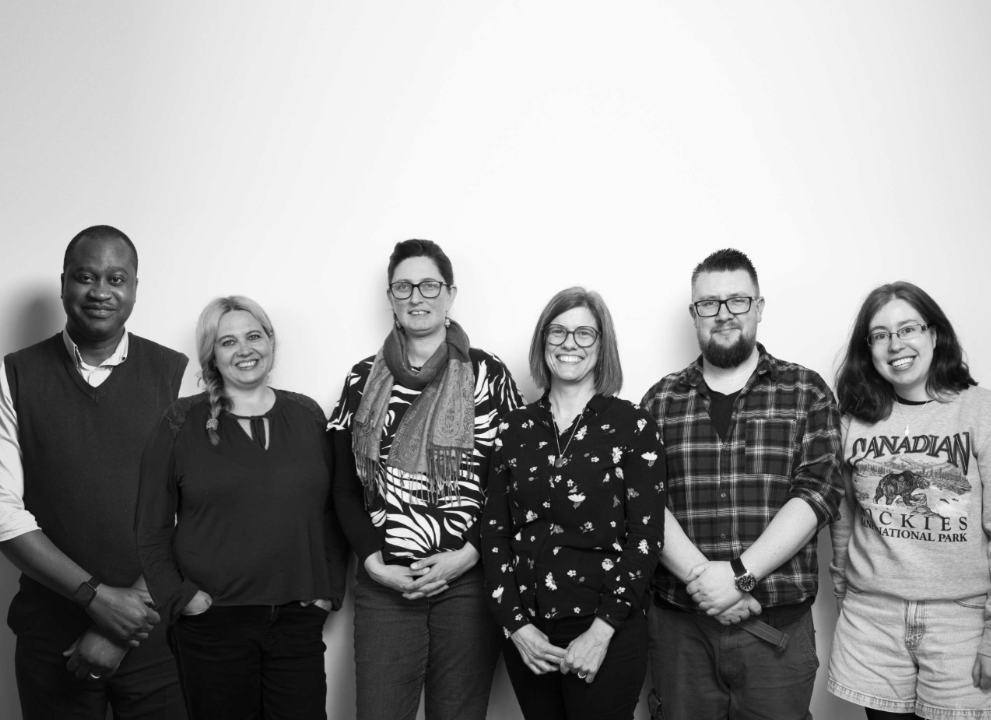 The team at the University of Salford
“The University of Salford team – Penny, Alan and the others – are brilliant at putting people with living experience at the forefront and empowering them to help lead the research.”
The University of Salford secured further funding from the National Institute for Health and Care Research and The Oglesby Charitable Trust to test SPECIFiC in a large-scale feasibility trial. In that project, Anna co-wrote the manual for the intervention, and was one of eight facilitators delivering the programme to families – over 120 in total.
Anna explains: “Each workshop is co-delivered by somebody with lived experience along with a practitioner. People can feel quite isolated - like I'm just in this mad world and no one else gets it and must think it’s me. The feedback has shown how much people benefit from the sessions being facilitated by someone with living experience who brings compassion and understanding.”
The aim of the programme is that it will lead to reduced stress and feelings of guilt for caregivers, and improvements in academic, behavioural and social functioning, and improved life outcomes for children with FASD.
“One of the outcomes from the trial has been around self-efficacy, and parents feeling more empowered and more confident in their parenting. Often parents are using these strategies that are developed for trauma and attachment that aren’t effective, and then blaming themselves, thinking it’s their fault and feeling shame.
“Some of the feedback we’ve received has highlighted just how massively validating and transformative the SPECIFiC programme is - helping people to see things through that different lens, while also enabling them to have more compassion for themselves and their children.
“FASD is often quite misunderstood, it’s likened to autism and it often co-occurs with a particular type of autism but it’s not the same and so much of the condition is hidden.
“Children with FASD often have spiky profiles. So, for example, they might do all right with academic work, but then not be able to put their shoes on, or they might sound like they know what they're talking about, but actually not really understand much of what they’re saying or what you’re saying back to them.
“Because the neurobehavioral symptoms can be quite extreme and challenging, it needs that compassionate, brain based lens that the course can help you with.”
A strand of the SPECIFiC programme is also about self-care for caregivers; parents and carers, and the need for caregiver rest.
“Research has been done on caregivers and stress and the majority of them have clinically significant levels of stress.
“Quite rightly there's a focus on the kids, but SPECIFiC is encouraging a shift towards including the carers as well. If you factor in their needs more, not only is that essential for their wellbeing, but it also has a ripple effect down to kids too.”
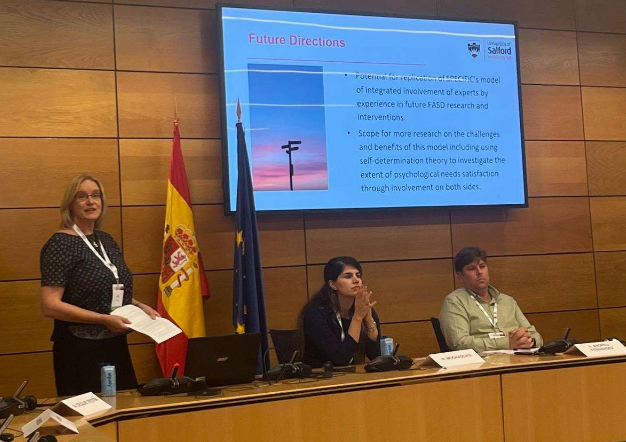
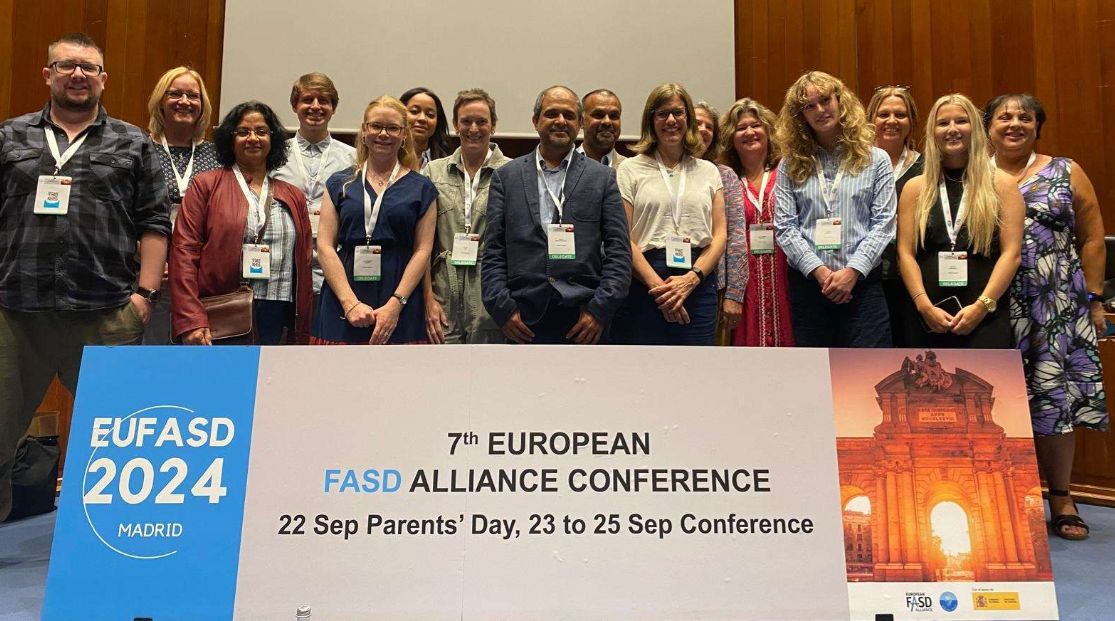
Anna continues to be involved with the University of Salford’s research; she joined the team for the European conference on FASD in Madrid and presented on her experiences as an expert by experience and co-investigator and how effective it can be to bridge both roles. Anna is now supporting the team with a bid for further funding for the project.
"We are hoping that the University can secure funding for the next stage of the big randomised controlled trial. And from then on, the hope is that it will be proved effective and rolled out to be delivered in services for families. That's the ultimate aim, that it will become a programme that's rolled out at scale.
“I’ve actually changed careers now. Partly inspired by my work with the University of Salford, I did a Masters in Psychology and I’ve now got my own business called Neurowise, which is therapeutic coaching and training - on neurodiversity but specialising in FASD.
“I feel like I’ve developed loads on a personal level through my involvement with Salford. They’ve been extremely supportive of my development and have given me so many opportunities.
“I’ve also been able to be at the heart of this amazing, groundbreaking research team, made up of really lovely people on a personal level.
“And being part of a team that may not all have living experience, but still really understand it and are very compassionate towards people with the condition.
“Overall, it’s been such a positive experience working with the team at the University of Salford and I’m feeling really hopeful about what we can achieve in the future for families across the country.”
Anna Webster features in the University of Salford’s Heart of the Community exhibition, which includes portraits of seven different people in the community who have collaborated with the University’s academics on a variety of research projects. Anna is pictured outside her home in south Manchester, where she lives with her partner, their son and their dog Mabel.
For all press office enquiries please email communications@salford.ac.uk.