
Driving digital transformation at OPAL to support people with learning disabilities and autism

Michelle Anderson first walked through the doors at Oldham Personal Advocacy Limited (OPAL) as a student on placement and is now Chief Executive Officer of the charity, which provides support and activities for people with a learning disability and autism.
OPAL’s relationship with the University of Salford has also developed over the years. Together, the partners have helped OPAL to grow and modernise whilst remaining focused on making a difference to the lives of its members and the families it supports.
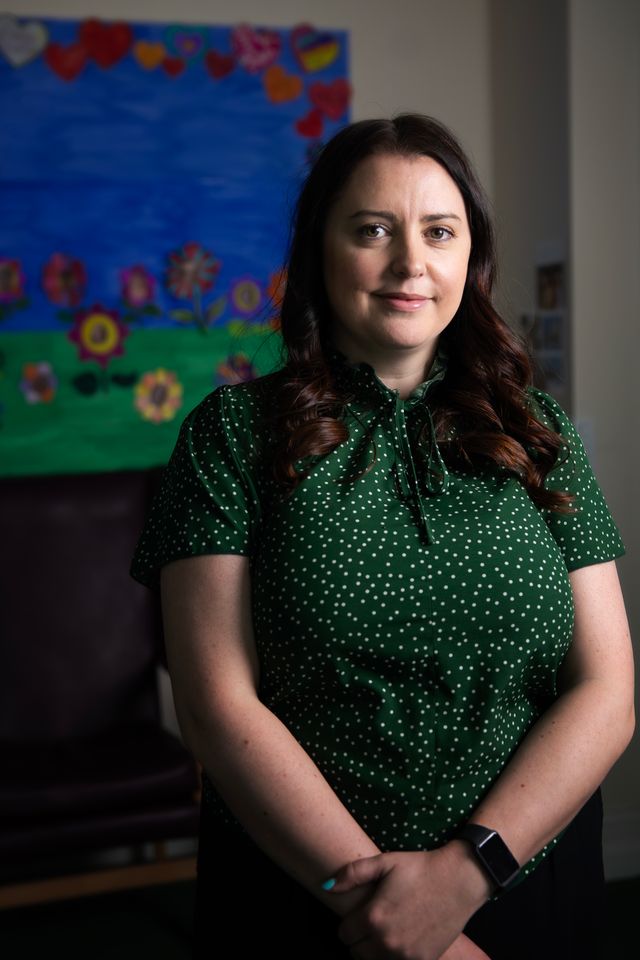
“OPAL is a charity that has been supporting adults with learning disabilities and people with autism for over 40 years. It’s all about giving people a voice and creating opportunities.” Michelle explains.
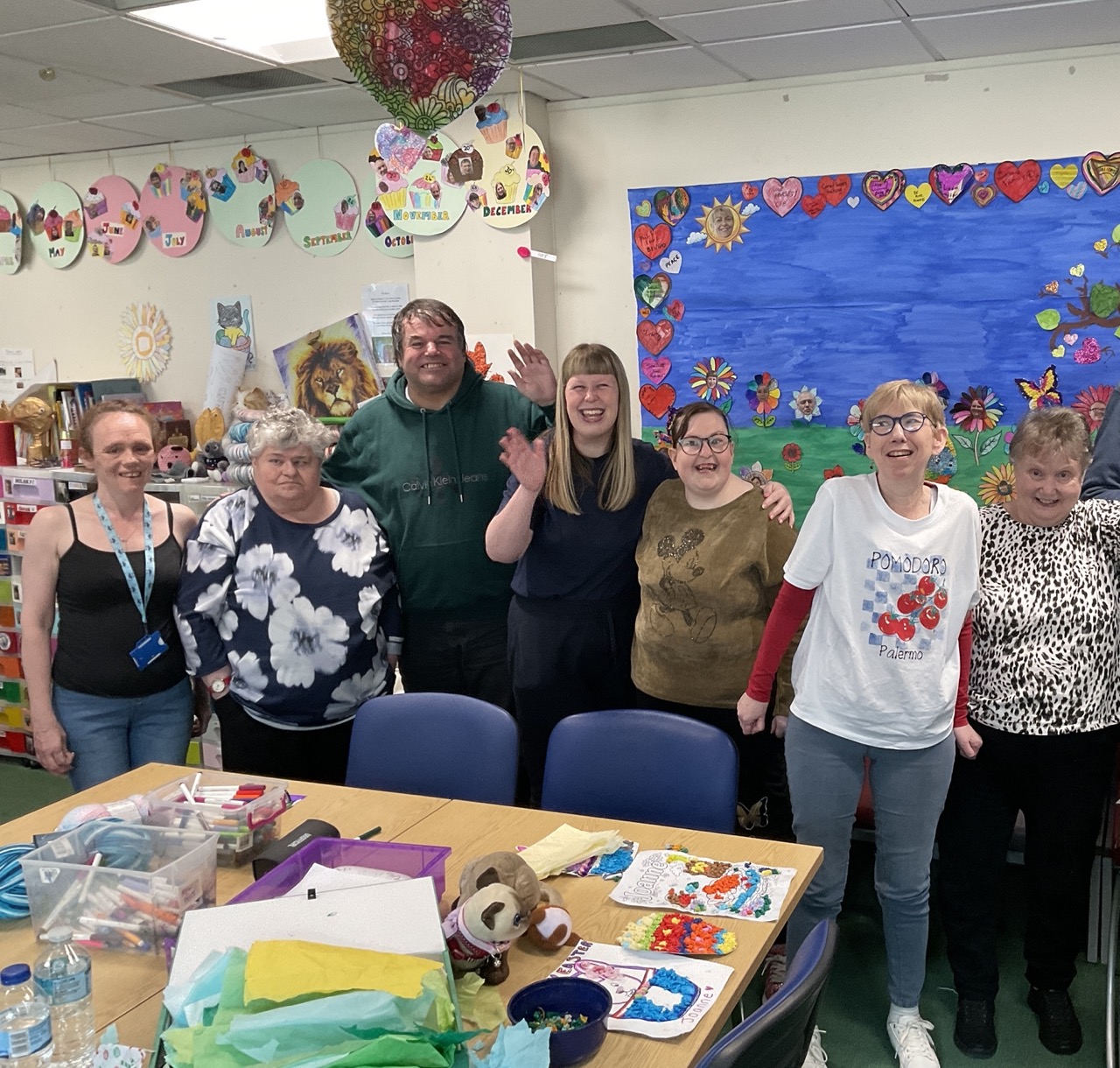
“We run a fun day service for adults with learning disabilities, designed to help people make new friends and develop new skills. We offer a wide range of activities, from using iPads and computers, jigsaws, arts and crafts, to games and walks, with plenty of variety so there’s always something for people to enjoy and get involved in.
“People might walk past and think it looks quiet from the outside, but inside it’s full of life, with all sorts going on, even the odd karaoke performance!”
The team at OPAL strongly believe in empowering the adults that they support - involving them in the decision making when it comes to their timetable of events.
“We’ve given the day service the name ‘Your Day, Your Way’, so if people are into a specific activity, then we try and build it into the day. We really want it to be shaped by them.
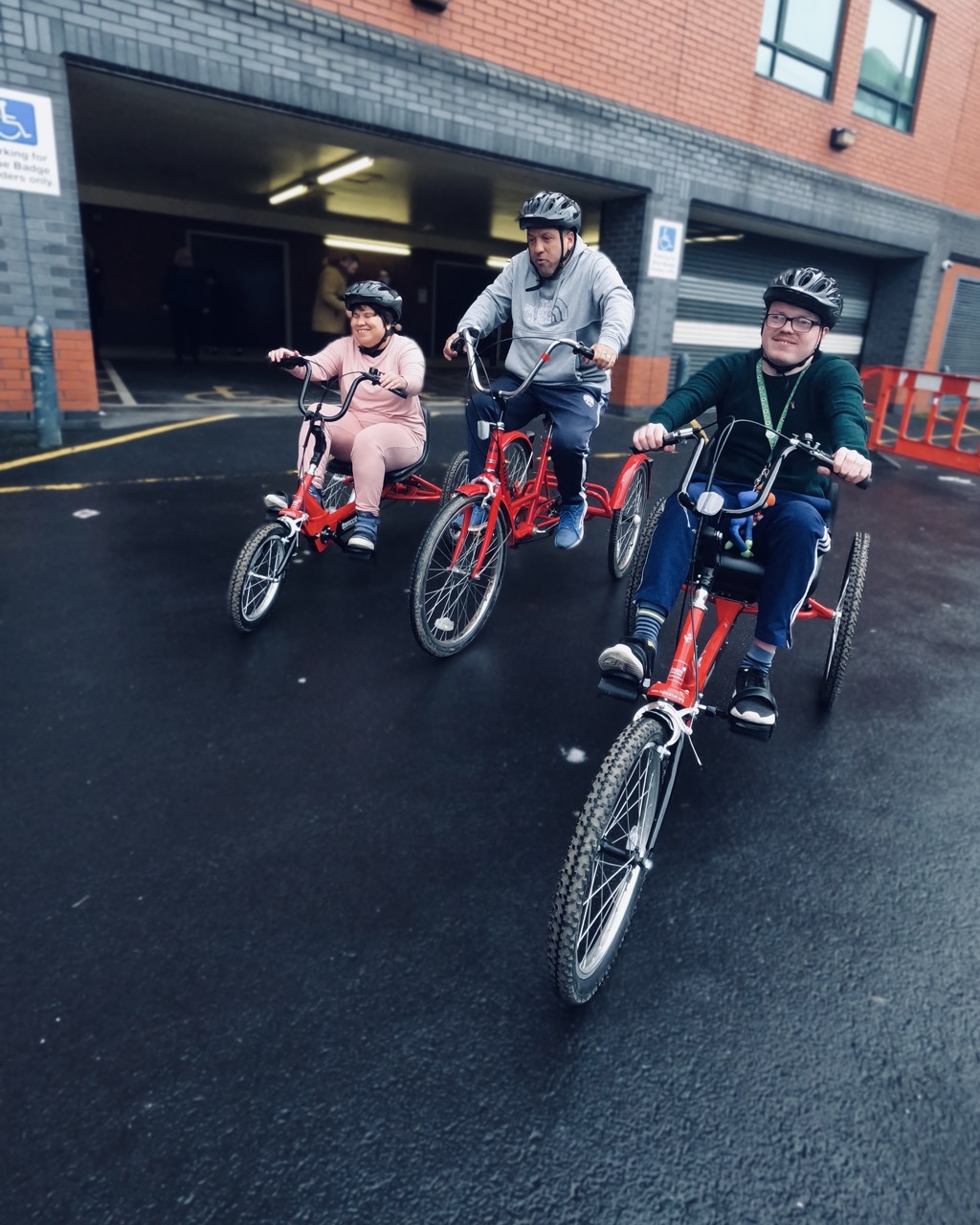
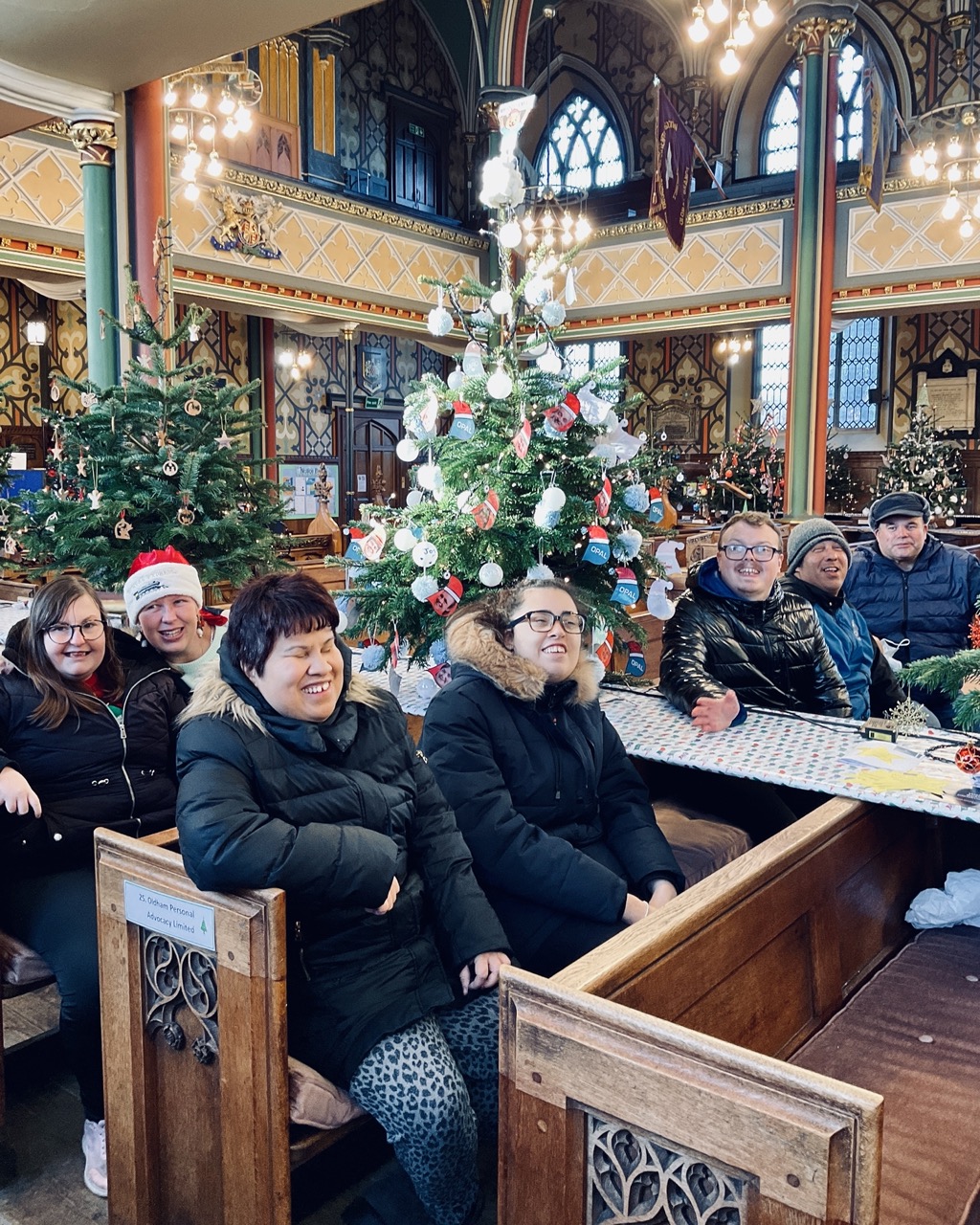
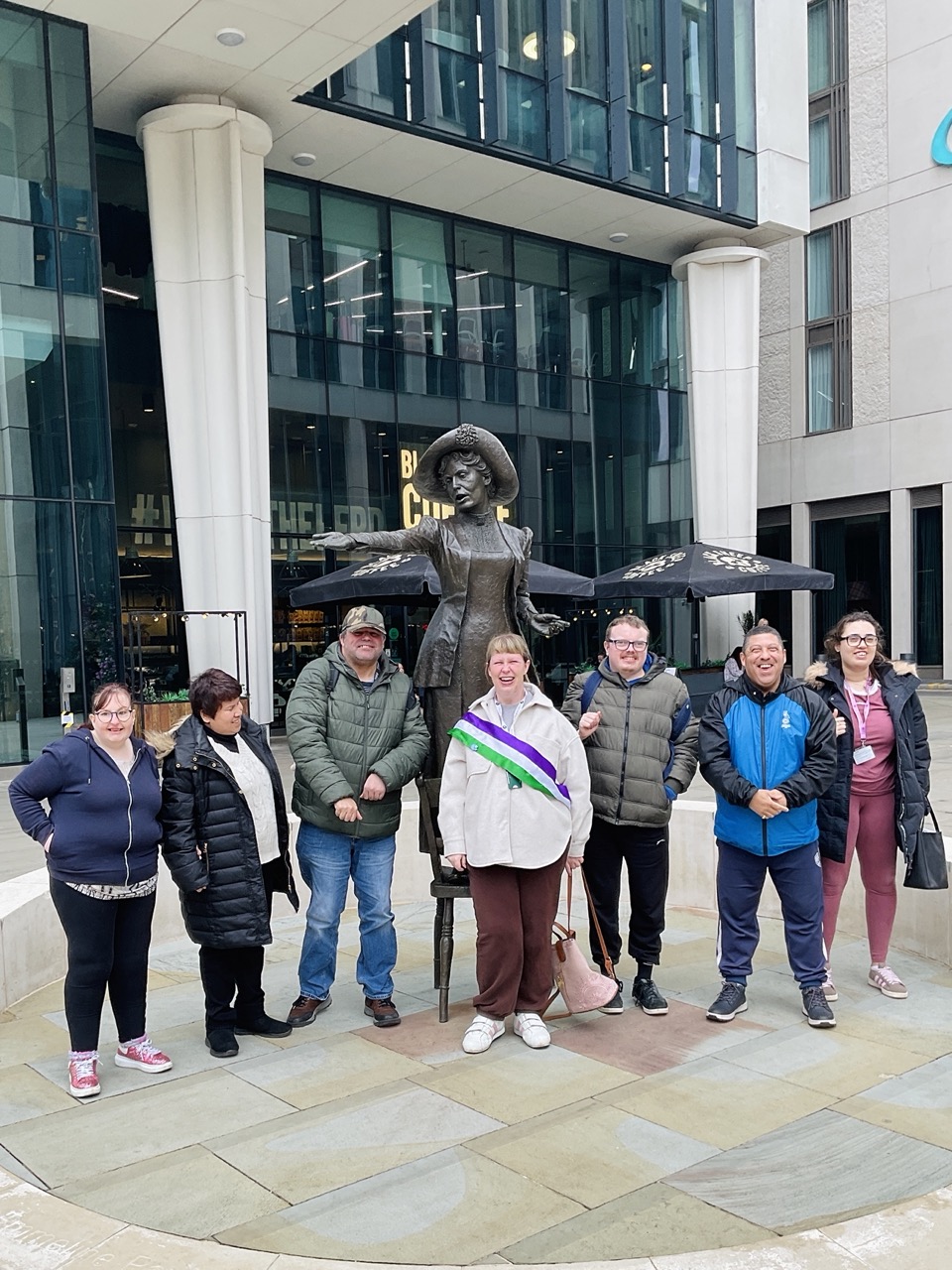
“And we also have an alternative day service on a Thursday, which we call the OPAL crew. It focuses more on community engagement and social action. The crew go on a range of trips, taking the tram into Manchester, exploring museums and getting involved in all sorts of activities outside of the centre.
“We also have a women's group that has been running for over 20 years. It’s a lovely group of women who still come every Tuesday. It’s a free service, offering a space to socialise, make friends and talk openly about whatever’s on their mind.
“We also advocate for individuals who need support with benefits, housing or anything else they may need help with.”
Michelle started at OPAL on placement as a student and has since worked her way up to CEO.
“It was back in 2011 that I first came across OPAL. I did my first year placement here as a social work student and I fell in love with it. I completed my undergraduate degree and masters in social work and then went to the University of Salford to study an MBA.
“So I qualified, stayed in contact and eventually got a job. And with OPAL, it's hard to leave because everyone is just so welcoming. I’ve been here for over 10 years now and worked my way up to CEO. When we take on students, it's nice for me to be able to say I've been where you are.
“I just absolutely love it here. It's the one place you want to go to work on your birthday because everyone celebrates with you, everyone is so happy to see you.
“People with disabilities are just like you and me and it's just about getting to know who they are as a person rather than assuming what someone with autism is like. Even people that may have a diagnosis of the same thing, could be completely different. So when someone new comes to OPAL, we always start with finding out what they like and dislike. Ultimately, they’re just here to have a nice time and to socialise and build on their skills too.”
The University of Salford has a long-standing relationship with OPAL and recently the partners undertook a Knowledge Transfer Partnership - the Government's flagship programme designed to foster innovation by linking businesses and organisations with academic institutions. With funding and support provided by Innovate UK, the scheme enables companies to access cutting-edge research and specialist knowledge.
“We've had a really positive relationship with the University of Salford for many years now - initially through the social work students that come on placement and more recently through the Knowledge Transfer Partnership.
“As a small charity, the Knowledge Transfer Partnership has been incredibly beneficial to us. Over the past two years, the project has driven digital transformation across our entire service.
“The main aim was to improve response time, to help us to scale up and to generate additional income. And we've also gone from a paper-based organisation where we had files of every individual to having a CRM system, which is really quick and easy to manage.
“It’s also been about building our knowledge on tools like power BI – things that we would never even have touched before the partnership with Salford.
“One of the biggest challenges was actually the culture change for us, as many of our staff and members don’t use technology much in their personal lives, and all of a sudden we’re saying we want you to know how to use it at work. So a key part of the project has been building in the staff training as well and building our digital confidence and knowledge as a team, so that it’s sustainable in the long run too.
“One of our areas of focus as a charity is trying to encourage more younger people to come in our doors, so during the Knowledge Transfer Partnership we also looked at what our technology provision is for our members as we know young people are interested in those types of digital activities. We’re also advertising on social media now to attract that younger audience and show them the types of fun activities they can do here.”
The partnership is a perfect example of The Power of Us, the University’s rallying call and shared story of progress, resilience and achievement built on teamwork and collaboration.
“It’s a true partnership with Salford and really quite unique. They have such specialist expertise in digital transformation and we have the knowledge to guide them on what would truly make a difference for us. We didn’t want to implement things that we’re never actually going to use. And the University was very focused on getting to know us and to understand who we are and how we support our members.
“It feels quite special that we’ve worked together in this way and then we can deliver that as a positive impact for the families and adults supported by OPAL.”
Michelle Anderson features in the University of Salford’s Heart of the Community exhibition, which includes portraits of seven different people in the community who have collaborated with the University’s academics on a variety of research projects. The exhibition runs from Monday 22 June to Thursday 13 August 2026 in the New Adelphi building on the University of Salford’s Peel Park campus.
For all press office enquiries please email communications@salford.ac.uk.