
The Terry Eagleton Collection
Explore the life and work of Terry Eagleton, the internationally renowned literary critic, public intellectual, and writer from Salford.
An overview
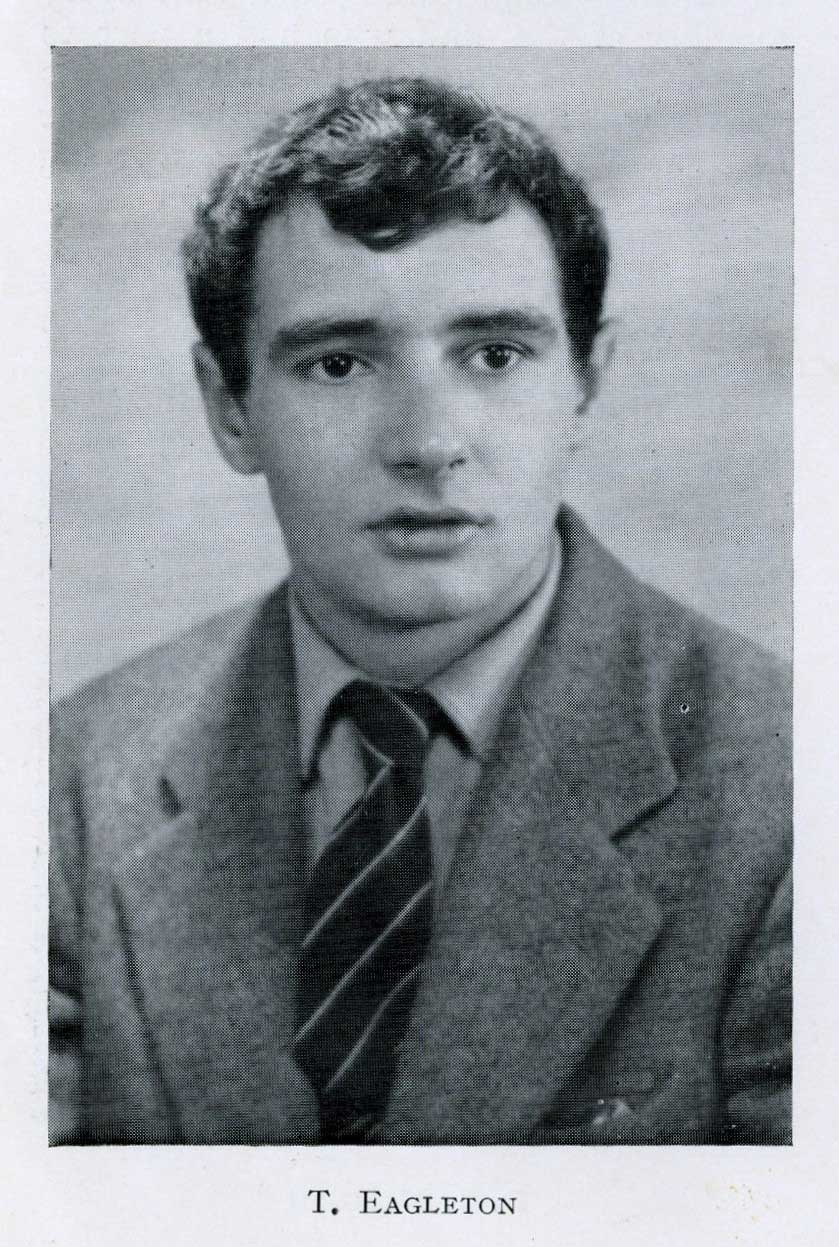
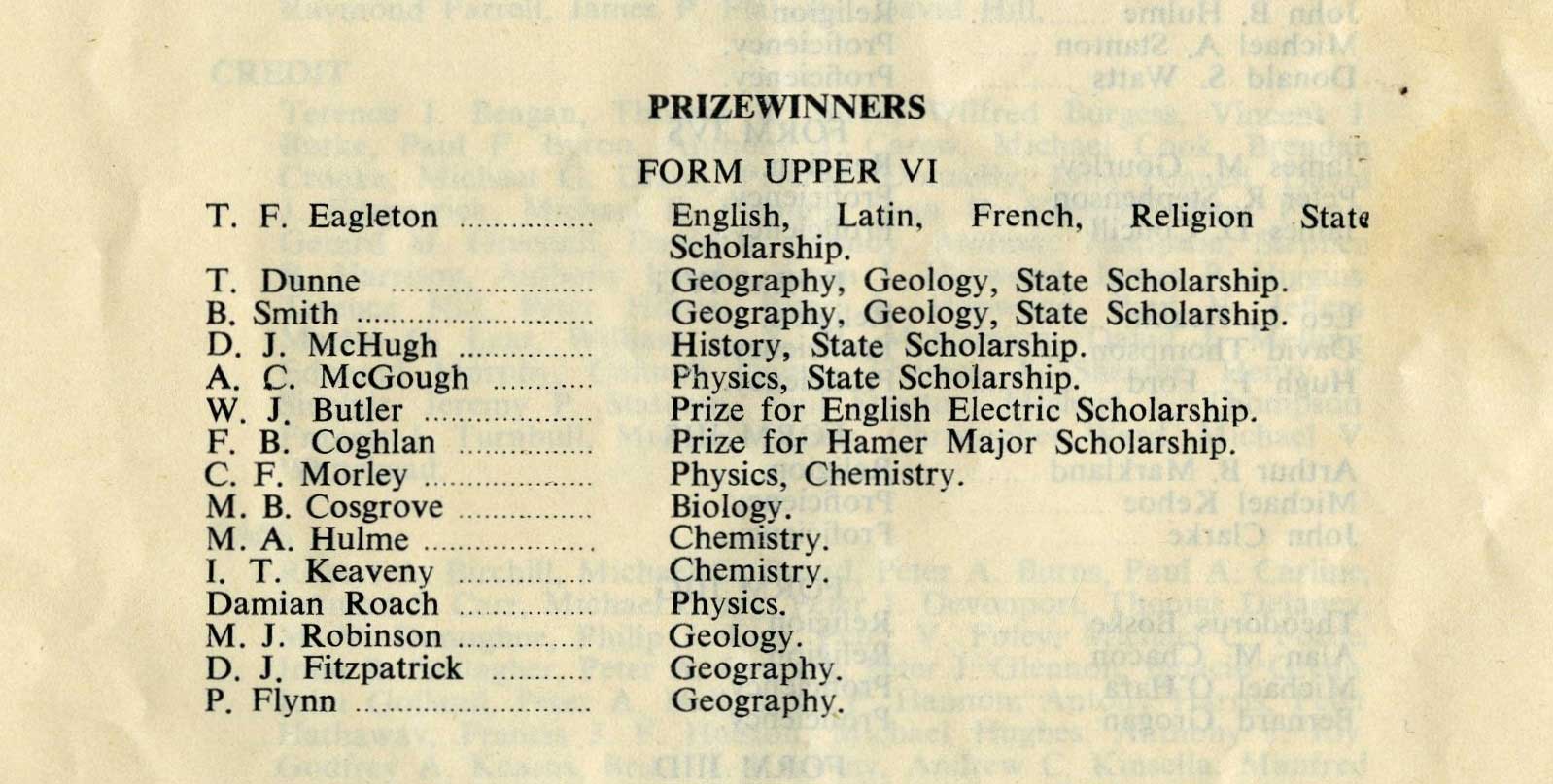
Born and raised in Salford, Terry Eagleton was educated at De La Salle College before studying at Trinity College, Cambridge.
Over a career spanning more than six decades, he has published more than forty books on:
- literature
- culture
- politics
- philosophy
- religion
He became one of the most influential contributors to literary and cultural debate.
His book Literary Theory: An Introduction (1983) introduced generations of readers and students to literary criticism and remains a widely read introduction to literary theory.
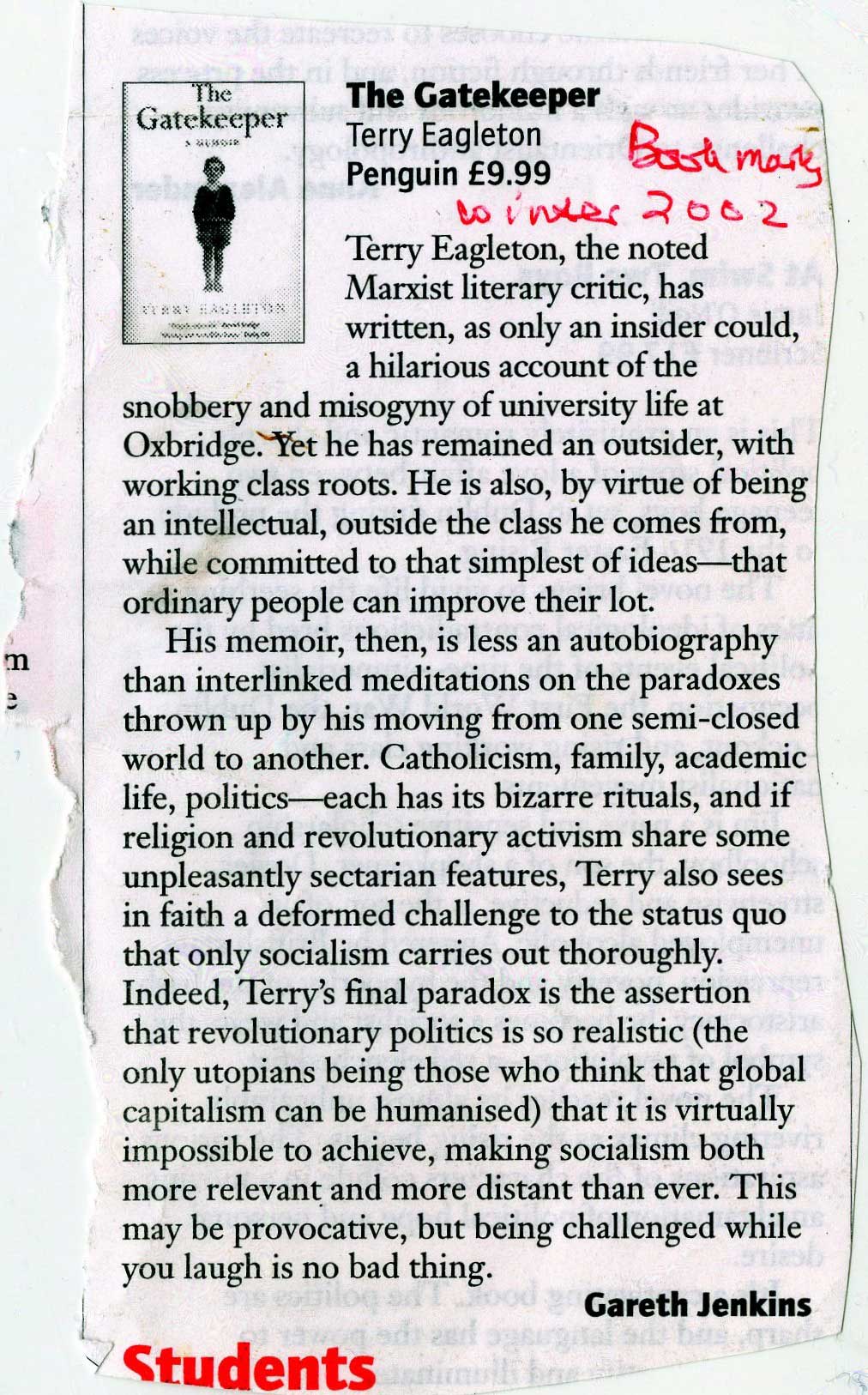
The Terry Eagleton Collection brings together material relating to his life, work and public career. It documents his contributions to:
- literary criticism
- cultural theory
- Marxist thought
This includes his influence on literary studies and wider cultural debate. It also illustrates how his work has been received, interpreted and debated by readers, critics and scholars around the world.
The Terry Eagleton Collection was donated to the University of Salford by Terry Eagleton in 2024-25.
The digital collection features a selection of material from across the archive, including items of particular significance alongside material chosen to reflect the breadth and variety of the collection.
Collection highlights
- Foreign language material: Translations, reviews, interviews and other material demonstrating the international reach of Eagleton's work and ideas
- General correspondence: Letters and communications offering insight into both Eagleton's professional activities and personal relationships.
- Slant: Copies of the journal and related material documenting Eagleton's involvement with the influential left-wing Catholic publication.
- Unpublished creative works: Handwritten and typed manuscripts offering insight into Eagleton's creative practice beyond his published works.
- Audio-visual material: Recordings of broadcasts, discussions and educational programmes featuring Eagleton alongside other prominent intellectual figures.
How can it be used?
- To support research into literary criticism, cultural theory and intellectual history.
- To explore the development and reception of ideas across literature, politics, philosophy and religion.
- To examine the writing, teaching and public engagement of Professor Terry Eagleton.
- To investigate the international influence of Eagleton's work through translations, reviews and critical commentary.
Who might be interested?
Students and researchers in:
- English Literature and Creative Writing
- Literary Theory and Criticism
- Cultural Studies
- History
- Politics
- Philosophy
- Religion
Anyone interested in Terry Eagleton's life and work, Marxist thought, public intellectual life, and Salford's literary and cultural heritage.
Types of material
- Journals, magazines and newspapers
- Letters and correspondence
- Play manuscripts
- Research and teaching notes (handwritten and typewritten)
- Photographs
- Cassette tapes
- Event programmes
- Publisher and publicity material
- Foreign-language publications and translations