
Study Engineering or Physics at Salford

Transform your perspective with an engineering or physics degree. Develop critical thinking, objectivity, and decision-making skills. Explore our courses.
Study an engineering or physics degree
Studying Engineering or Physics changes the way you see the world. By pursuing a degree in Engineering or Physics, you enhance your objectivity, develop critical thinking, and improve your decision-making abilities – highly-sought skills in the professional world.
Our range of courses will give you the technical knowledge and transferable skills that can lead to an exciting career where you can shape new solutions and engineer the future.
Whether you're looking to study Engineering or Physics to create innovative solutions or to shape the future of technology and infrastructure, our courses provide the foundation you need to excel.
Sign up for our open day
Choosing what to study at university can be a big step.
Learn more about studying Engineering or Physics degree courses, tour our labs and speak to the course team by attending our next Open Day.
Explore our engineering and physics degree courses
Acoustical and Audio Engineering

Acoustics study blends the physics of sound with the psychology of how people react to noise and vibration.
Get into this fascinating field with one of our Acoustical and Audio Engineering degrees.
Explore our acoustical and audio degree courses
Aeronautical Engineering

Aeronautical engineering involves the application of scientific and technological methods to test both civil and military aircrafts.
As the race to take flight further escalates, now is an exciting time to consider our Aeronautical Engineering degree.
Explore our Aeronautical Engineering degree courses
Aircraft Engineering with Pilot Studies
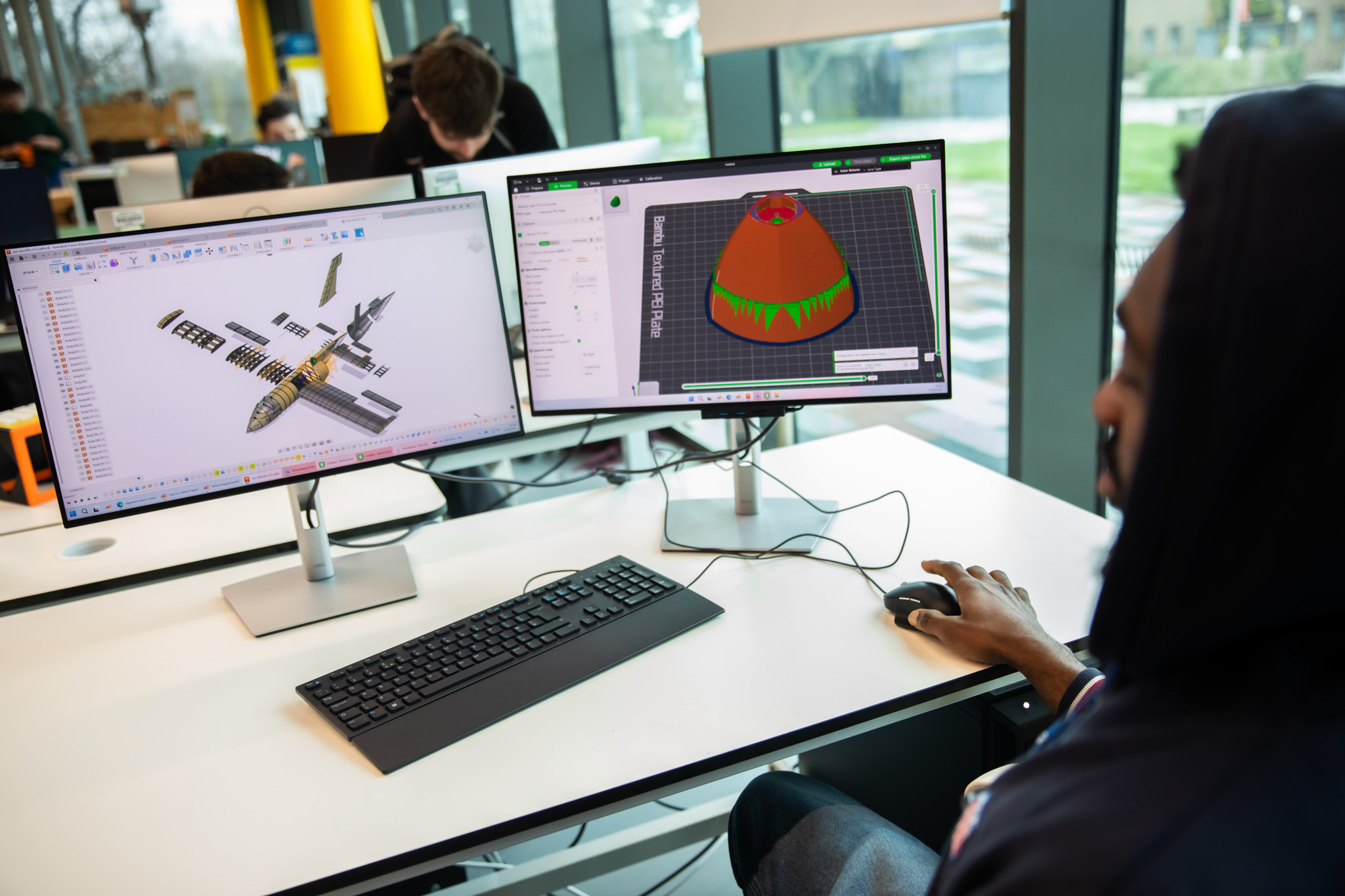
Travellers are returning to post-pandemic skies and air transport continues to be in high demand.
Join this fast-moving industry and gain the skills to design and manage the next generation of aircraft with a degree in Aircraft Engineering with Pilot Studies.
Explore our Aircraft Engineering degree courses
Civil Engineering
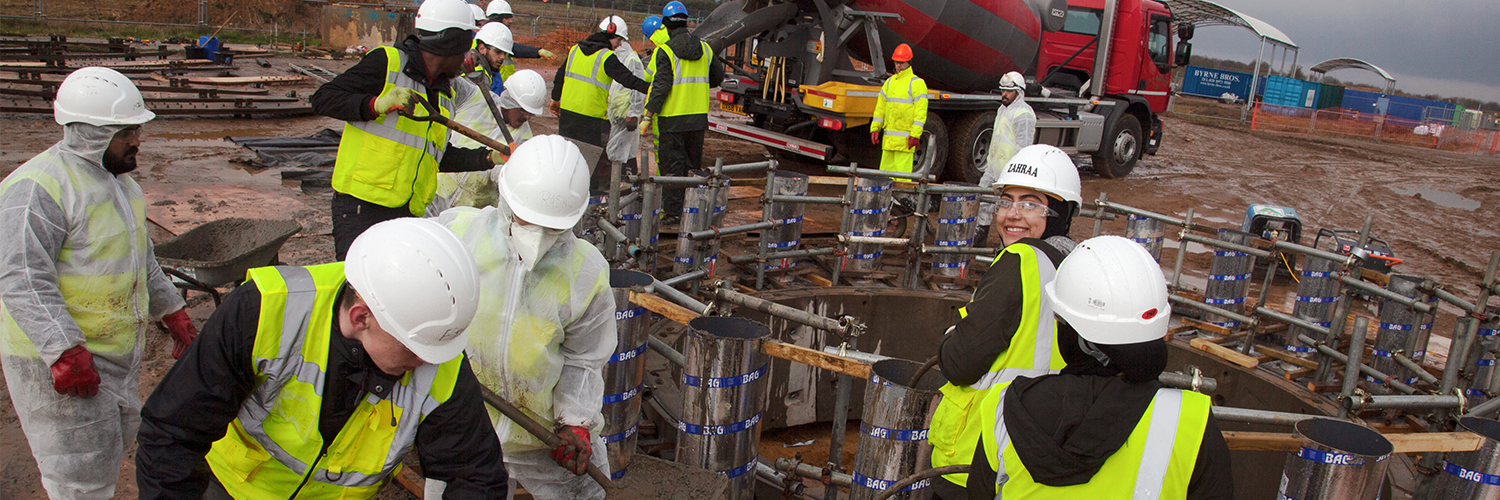
Civil engineers create, improve and protect the infrastructure that supports daily life.
With growing demand for qualified professionals, a Civil Engineering degree with Salford can unlock exciting and lucrative career opportunities.
Explore our Civil Engineering degree courses
Electrical and Electronic Engineering
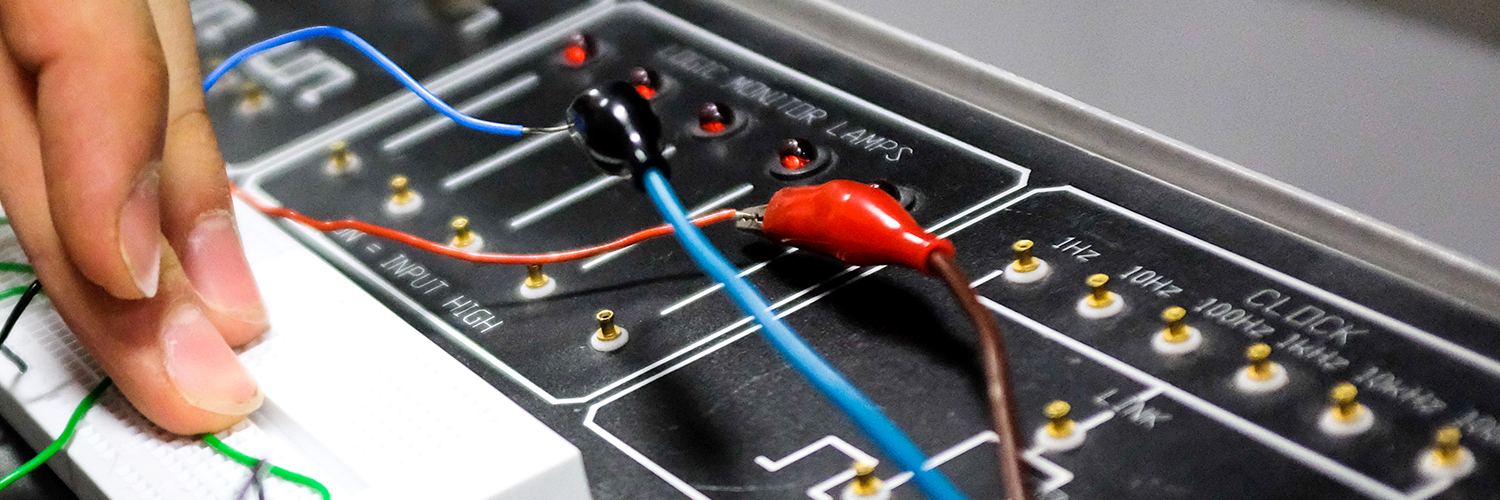
As industry moves away from fossil fuels and competes to find the most sustainable way of conducting business, electrical and electronic engineers will be in higher demand than ever.
Combine your studies in these areas with practical experience and find your place in this exciting field.
Explore our Electrical and Electronic Engineering degree course
Mechanical Engineering

Mechanical engineers shape our daily life, from heating systems and refrigerators to cars.
As automation and robotics expands into new industries, seize the career opportunities this offers by developing relevant skills and knowledge with a Mechanical Engineering degree.
Explore our Mechanical Engineering degree courses
Sound Engineering and Production
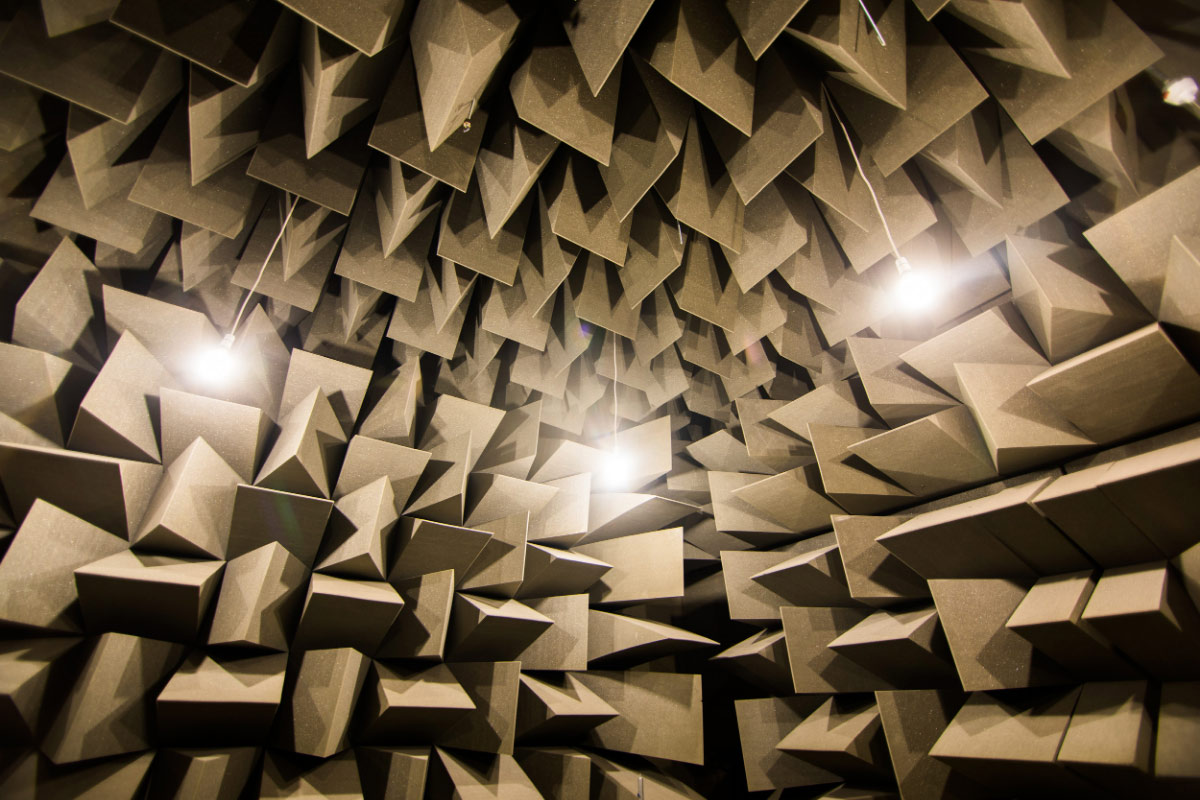
Sound engineers shape how we perceive live and recorded sound.
Develop advanced professional knowledge and studio skills to the highest standard with our Sound Engineering and Production degree.
Explore our Sound Engineering and Production degree course
Physics

Physics underpins everyday life, from the structure of the universe, to cutting edge technology, to the smartphone in your hand.
Develop a greater understanding of the laws governing physics, strengthen your mathematical problem-solving and choose specialisms in acoustics or nanotechnology with our Physics degree.
Explore our Physics degree course
Study Engineering or Physics The Salford Experience
Immersive learning. Research-led. Industry focused.
Blending advanced theoretical knowledge, transferable skills and real-world application, our engineering and physics degree courses will shape you as a future solution-seeker:
- Experience learning enriched with laboratory experiments and industry collaboration, all informed by current industry practice and world-class academic research
- Benefit from site visits, industry briefs and visiting guest lectures, with opportunities to take part in competitions, projects and societies
- Access advanced laboratories in our new £65 million SEE Building, and experience dynamic spaces such as our digital fabrication Morson Maker Space and Autonomous Vehicle laboratory
Visit the Maker Space
The Maker Space was established in partnership with Salford-based Morson Group, a world-leading engineering recruitment company.
Together we take an active role in addressing the STEM shortages by inspiring young people and our students to consider a future career in STEM by learning real-world digital fabrication skills in their studies.
Campus life, big city buzz

University life is not just about what you study - where you study matters too.
Our amazing location blends the beauty of our parkland campus with the buzz of central Manchester on our doorstep - not to mention great transport links to explore the North West.
This winning combination makes Salford a great study destination. Come and take a look.